
How to Switch from Door to Door Sales to Remote Appointment Setter

If you have ever knocked on doors and pitched a product face to face, you know the feeling. The weight of a heavy bag, the sting of a slammed door, the rush of a signed contract. Those days teach you grit. But what if you could take that same toughness and use it from your living room? That is exactly what this article is about.
Right now, thousands of companies need people who can pick up the phone and book appointments. Some of these jobs pay well and let you work from anywhere. But if you search for remote appointment setter jobs, you will run into a few big problems. Scams are everywhere. You might wonder if you have the right sales skills. And working alone from home can feel lonely.
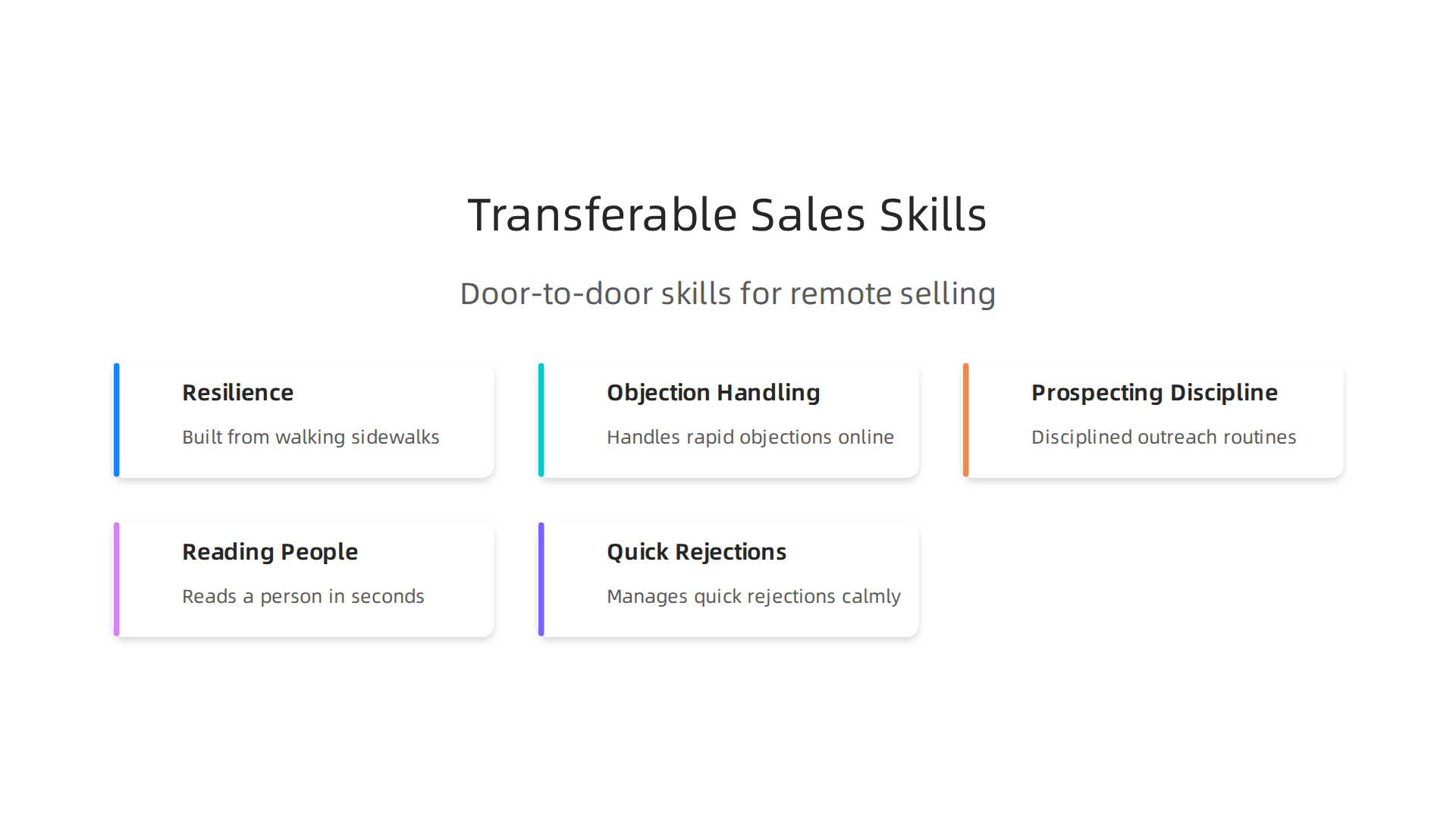
Here is the good news. Your background in door to door sales gives you a head start. The resilience you built walking sidewalks, the ability to handle quick rejections, the skill of reading a person in seconds all of that matters online too.
In fact, studies show that communication skills and a positive attitude are exactly what employers look for in appointment setters Zippia. And companies are actively hiring for roles that blend door to door sales experience with remote work Indeed.
This guide will walk you through the simple steps to make that switch. You will learn how to find real opportunities, sharpen your sales techniques for the phone, and build a career that keeps you in control. If you want a clear path from knocking on doors to closing deals online, start with our complete roadmap on how to become a remote appointment setter in 2026 here.
The Invisible Advantage: How Door-to-Door Sales Experience Supercharges Remote Appointment Setting
Here is the thing. You might think your time walking neighborhoods and talking to strangers is a separate world from sitting behind a computer. But actually, it is the exact training ground you need for remote appointment setting. The skills you built on the sidewalk are not just useful. They are a secret weapon.
Resilience from rejection is your new cold call fuel.
When you knocked on fifty doors and got forty slammed in your face, you learned something. You learned that a "no" is not personal. It is just part of the math. Remote appointment setting works the same way. Almost every company that hires appointment setters expects you to make dozens of calls and book a set number of meetings each week, like 25 or more Indeed. Your skin is already thick. You will not crumble after the fifth hang up. That is gold.
Your objection handling intuition transfers directly.
Think about the last time someone said "I am not interested" through a cracked door. Your brain immediately started working. You softened your tone, found a different angle, or asked a better question. That instinct is exactly what you need on the phone. When a prospect says "send me an email" or "call me later", you already know how to push past it naturally. Studies show that the best appointment setters are masters at handling objections and qualifying prospects Himalayas. You have been doing that for months or years.
Prospecting discipline keeps you moving forward.
Door knocking forces you to be systematic. You track which streets you hit, which houses you skipped, and which people asked you to come back. That same discipline works beautifully for remote outreach. You will need to organize leads, follow up at the right time, and keep a steady pace. Modern door sales strategies actually rely on this kind of data driven approach and follow up Knockbase. So when you sit down to make calls from home, you already know how to treat your prospect list like a territory.
Your skill set is more valuable than you realize. And if you want to start turning that experience into real income, you can learn more about remote appointment setting income potential in our complete guide here.
The First 30 Seconds: Opening Lines That Captivate Over the Phone
You have the resilience and the discipline. Now it is time to learn the specific words that make someone stop what they are doing and actually listen. The first 30 seconds on a phone call are the only chance you get. If you mess them up, nothing else you say matters.
Adapting your doorstep pitch for the phone
When you knocked on a door, your body language did half the work. A smile, direct eye contact, and a firm stance built trust immediately. On the phone, you lose all of that. Your voice has to carry everything.
Here is the biggest shift. At the door, you often started with a greeting and a quick reason for stopping by. On the phone, you cannot waste time. Avoid dead openers like "How are you today?" or "Did I catch you at a bad time?". These questions make it easy for the prospect to say "Busy, bye." Instead, jump straight into value. The best opening lines sound confident and purposeful, letting the person know exactly why you are calling within five seconds

Using a curiosity gap to hook them
Your best tool in the first thirty seconds is the curiosity gap. This means you say something that leaves a small but important question hanging in the air. You want the person to think "Wait, what do you mean by that?"
For example, instead of saying "I am calling from ABC Company to talk about our software," you might say "I was looking at your company’s recent growth and noticed something that could save your team about ten hours a week. I am not sure if it is a fit for you, but I had to ask."
That tiny bit of mystery makes the prospect curious. A strong introduction that is short, personalized, and leaves a gap is one of the most effective ways to keep someone on the line Pipedrive. Your door to door sales experience already taught you to read a situation fast. Use that instinct to scan a prospect’s LinkedIn profile or company news for a detail you can drop into your opener.
A simple script framework that builds rapport instantly
You do not need to memorize a full script word for word. You just need a reliable structure. Try the Permission Value Question framework.
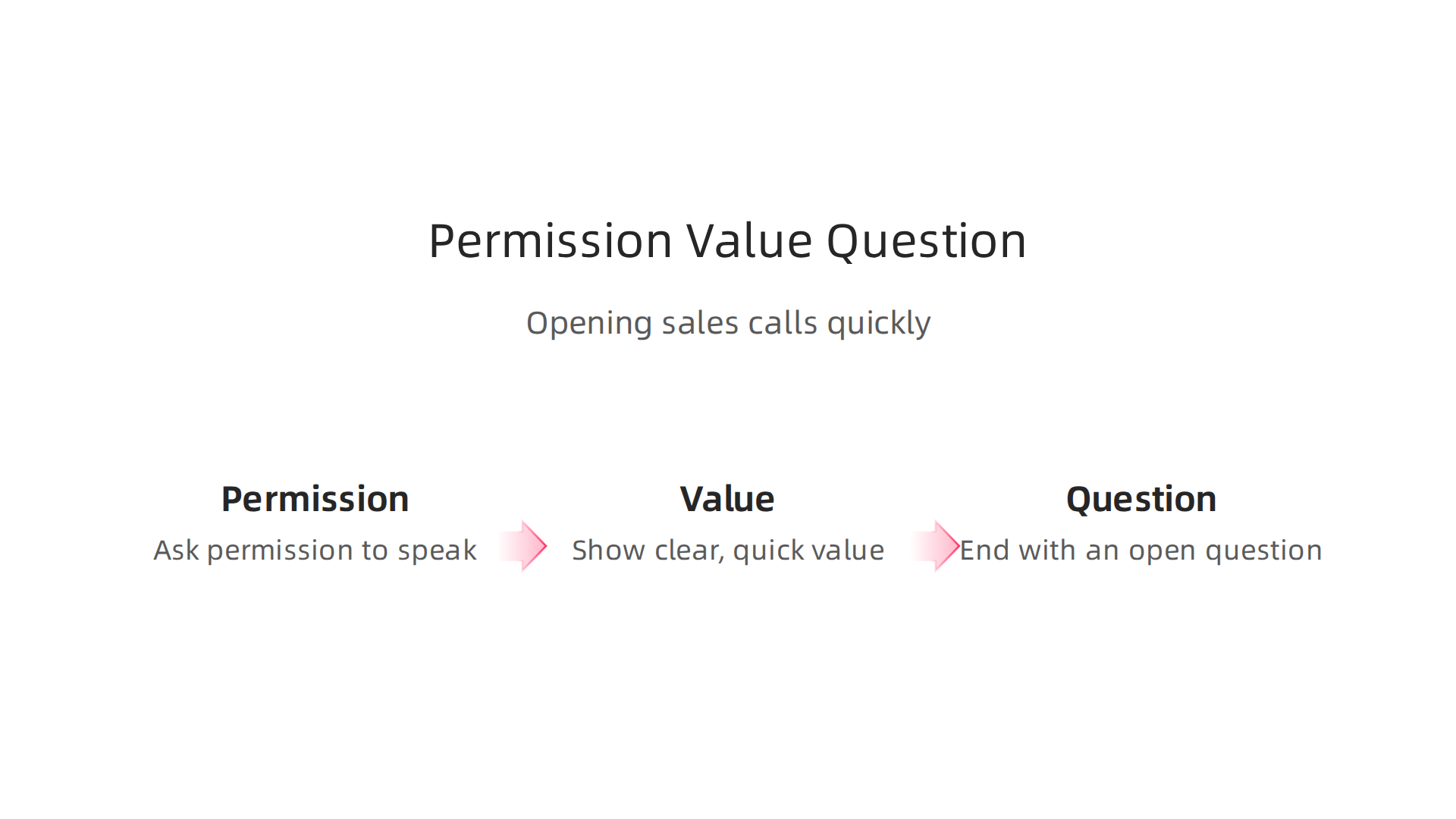
- Permission: "Hi [Name], this is [Your Name]. Do you have 45 seconds?"
- Value: "I am calling because we helped [Similar Company] reduce their dropout rate by 30%, and I thought it might be relevant to what you are working on."
- Question: "Does that sound like something worth a quick look?"
This framework respects the prospect’s time while showing you did your homework. Many successful sales teams rely on these kinds of structured approaches to train their remote reps, especially when they need to build trust fast Cognism.
Your direct selling instincts from face to face work will kick in here. If they raise an objection right after your opener, you already know how to handle it smoothly. Keep the conversation moving by asking a simple follow up question.
Mastering these first 30 seconds changes everything about your calling results. If you want a complete walkthrough on how to set up your entire workflow and practice these techniques, check out our step-by-step guide on becoming a remote appointment setter here.
Turning ‘No’ into ‘Not Now’: Objection Handling Techniques That Close Deals
You know that feeling. You knock on a door, and before you can finish your second sentence, the person says "Not interested." On the phone, the same thing happens. You hear "Sorry, I am busy," "We already have a vendor," or "Just send me an email." That used to be a dead end for you. But here is the thing: every "no" a prospect gives you is really a hidden question. They are asking for more information. If you learn to read that question, you can turn the "no" into a "not now" or even a "yes."
Classic door-to-door objections versus phone objections
In door to door sales, you saw objections like "We are renters" or "I do not have time." Those were easy to spot. On the phone, the objections sound different. They might say "Send me something" as a polite brush off. Or they might claim "We have no budget" when they really mean "I do not see the value yet." The key difference is that over the phone, you cannot read their face. You have to rely on their tone and the specific words they choose. This makes it harder, but it also means you need a reliable structure to handle every response.
Using the LAER model for sticky conversations
The best way to handle objections is a technique called LAER. It stands for Listen, Acknowledge, Explore, Respond.
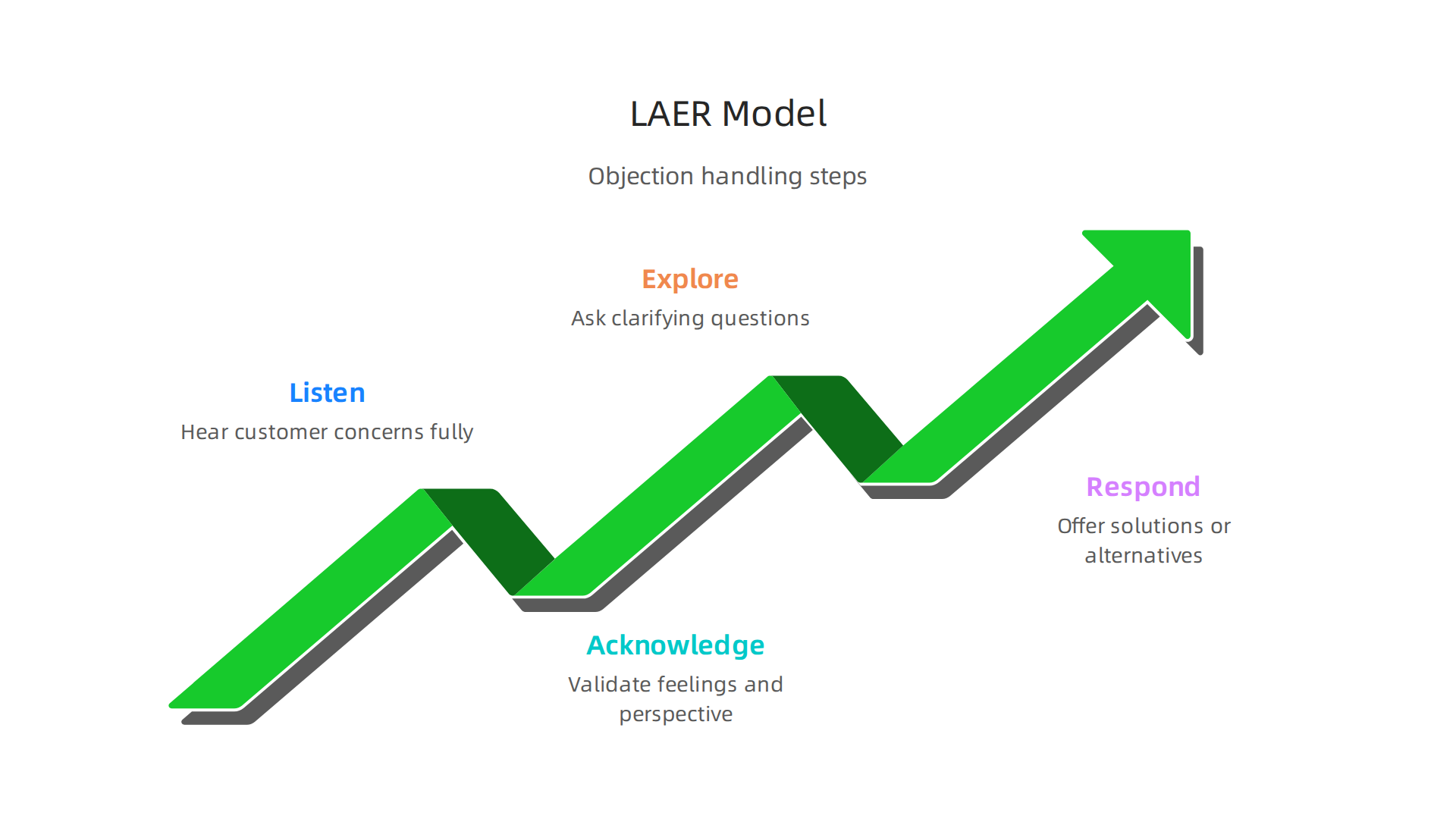
Many top sales teams teach this approach because it keeps the conversation moving forward instead of turning into a debate.
- Listen: Do not interrupt. Let them finish their entire sentence. Your job is to hear the real concern hidden in their words.
- Acknowledge: Say something like "I understand why that is a concern" or "That makes sense." This shows you respect their position.
- Explore: Ask a gentle question to dig deeper. Try "Can you tell me more about that?" or "What specifically makes you say that?"
- Respond: Give a short, clear answer that addresses the exact concern they raised, not a different one.
For example, if a prospect says "We are happy with our current provider," do not argue. Instead, acknowledge that choice, then explore by asking "What is the one thing they do best for you?" Then respond by showing how your solution builds on that strength.
Building a personal objection bank for continuous improvement
Your door to door sales experience already taught you that the best sales skills come from practice and repetition. The same applies to phone objections. Start keeping a simple list. Every time you hear a new objection, write it down. Then write out your best LAER response for it. Over time, you will have a personal playbook that lets you handle almost anything with confidence. Some professional appointment setters keep a "cheat sheet" of these responses taped near their computer screen so they can reference them mid-call.
If you want a full system to practice these techniques and land your first remote role, check out our detailed step-by-step guide on becoming a remote appointment setter here. It walks you through everything from building your objection bank to closing your first deal.
Blueprint for a Productive Day: Time Blocking and Prospecting Schedules
You now know how to turn objections into conversations. But knowing what to say is only half the battle. You also need a plan for when to say it. Without a schedule, your day gets eaten up by low value tasks like checking emails or scrolling social media. That is why the best sales skills are useless without good time management.
Think back to your days in door to door sales. You did not just wander aimlessly. You planned your route. You hit the neighborhoods with the highest potential first. You worked the hours when people were home. The same logic applies to your remote work. Your territory is now a list of leads, not a street map. And you need a digital route to stay on track.
The two-hour rule for prospecting
Top sales reps spend about 35 to 40 percent of their time actually selling, while the average rep manages only 28 percent. That gap comes from how they structure their mornings. Here is a simple rule: block the first two hours of your workday for nothing but prospecting. No emails. No admin work. No small talk in chat. Just calls and messages to new leads. This is your deep focus time. Protect it like you protected your best knocking hours back in the field.
Morning versus afternoon calling windows
Not all hours are equal. In door to door sales, you learned that early evening worked best because people were home from work. Over the phone, the pattern is similar but flipped. Morning windows between 8 and 10 a.m. catch decision makers before meetings pile up. Afternoon windows between 4 and 6 p.m. catch them after the daily chaos has settled. Experiment to find what works for your industry.
A strong schedule also helps you stay motivated. Remote work can feel isolating, but when you follow a clear plan, you feel like you are running your own business. If you want a full playbook on structuring your day and building a sustainable remote career, check out this guide on how to make money online in 2026 the remote appointment setting guide. It covers time blocking templates and the exact routines that successful appointment setters use.
The 60/25/15 framework
One popular time blocking model splits your day into three parts: 60 percent of your time on prospecting and calls, 25 percent on follow ups and emails, and 15 percent on skill building or CRM updates.
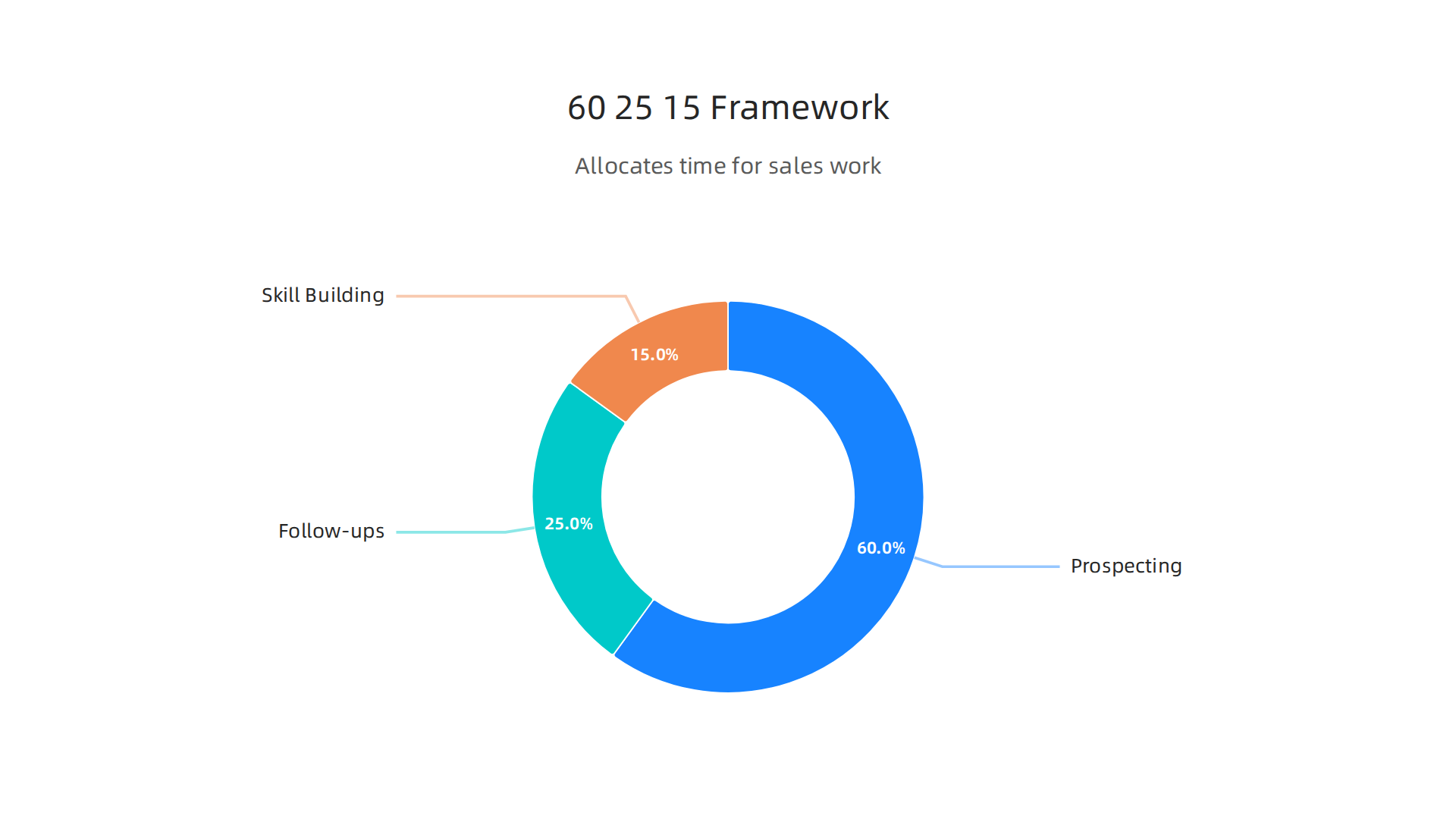
This balance keeps you focused on high value activities without burning out. Treat your schedule like your territory map. Plan it the night before, and stick to it.

Your future closed deals will thank you.
Must-Have Tools: CRM, Auto-Dialers, and Analytics for Remote Sales Success
You have your schedule locked in. Now you need the right tools to execute it. In door to door sales, your tools were a map, a list of addresses, and a notepad. For remote sales, your toolkit is digital. But the goal is the same: track your progress, reach more people, and know what is working.
CRM basics: tracking leads like a territory map
A CRM (Customer Relationship Management) system is your digital territory map. It helps you keep track of every lead you talk to, what you discussed, and when to follow up. In door to door sales, you remembered which houses had dogs and which doors were friendly. A CRM remembers all that for you now.
Platforms like GoHighLevel and monday.com CRM are built for remote teams with both setters and closers.
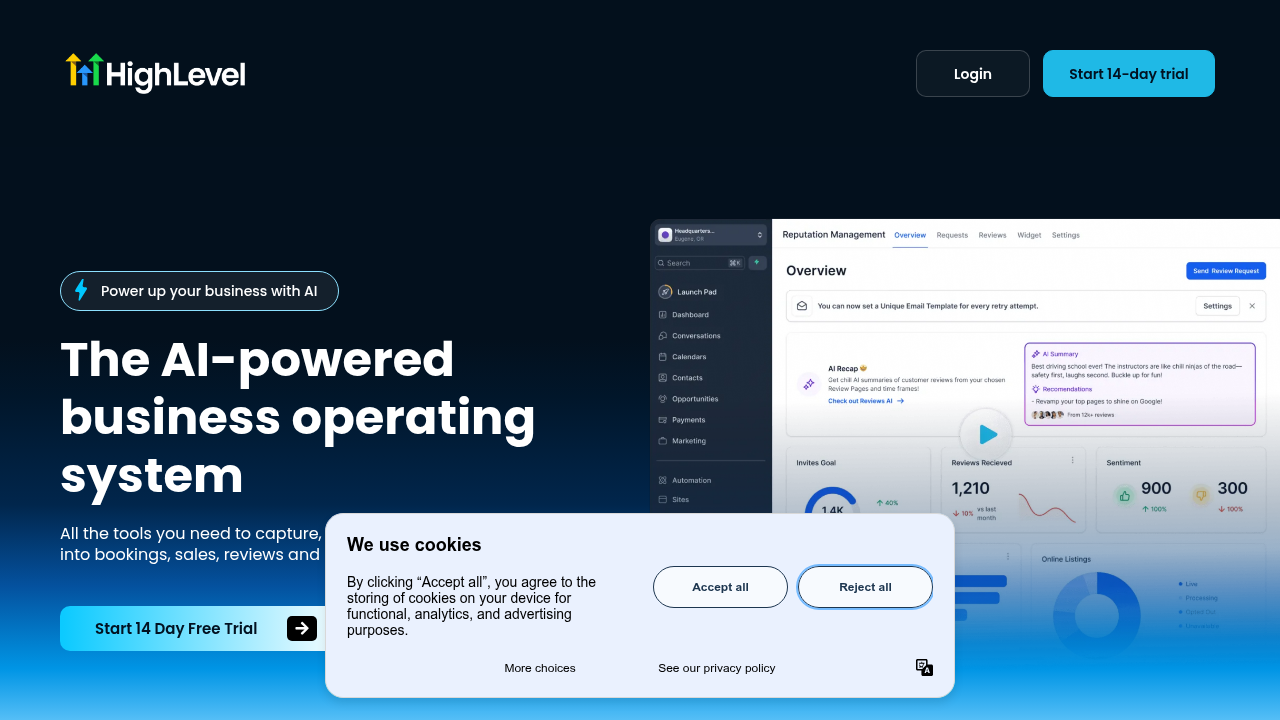
They let you log calls, set reminders, and move leads through your pipeline. If you want scheduling built in, Pipedrive brings your meeting scheduler right into the sales pipeline. The best part? No more sticky notes or spreadsheets. Everything lives in one place.
Auto-dialers that increase talk time without being spammy
Time is money in remote sales. If you manually dial every number, you waste hours. Auto-dialers automatically call the next lead when you finish a conversation. This keeps your talk time high without making you sound like a robot.
But here is the thing: used poorly, auto-dialers can feel spammy. The key is to pair them with a good CRM that screens leads first. Modern AI appointment setters are also changing the game. They can hold natural conversations in real time, qualify prospects, and book meetings for you. Tools like Appointwise and Convoso Voso.ai are leading the pack in 2026. They are not just dialers anymore. They are smart assistants that handle the repetitive work so you can focus on closing.
Simple analytics to measure conversion from call to appointment
In door to door sales, you knew exactly how many doors you knocked and how many appointments set. You need the same data remotely. Analytics tools show you your conversion rate from call to appointment. If you make 100 calls and book 10 appointments, your rate is 10 percent. That number tells you if your script needs work or if your lead list is weak.
Most CRMs include basic reporting. Use it. Track your numbers weekly. If something is off, adjust your approach.
Ready to put these tools to work? Learn the exact steps to become a remote appointment setter in 2026 the simple method and start building your toolkit today.
Bridging the Skill Gap: Free and Affordable Training Resources
You have the tools and the schedule. But maybe you are wondering, "Do I have the right sales skills for remote work?"
If you came from door to door sales, you already have thick skin and good instincts. You know what it feels like to hear "no" and keep moving. But remote sales uses different sales techniques. You need to build rapport without reading body language.
The good news? You do not need to spend a lot of money to learn. In 2026, there are many free and affordable training options. You just need to know which ones are real and which ones are a waste of time.
Legitimate free courses vs. scammy programs
The internet is full of promises. "Make 10K your first week!" Be careful. Real training focuses on skills, not hype.
Legitimate free sales training covers specific topics. Look for programs that teach objection handling, lead qualification, and closing techniques. According to recent reviews of dozens of platforms, the best free sales courses come from well-known names and online learning hubs. Avoid programs that ask for payment upfront without a clear curriculum. Stick with platforms that offer structured lessons and a certificate at the end.
Certifications that increase credibility
Once you find a good course, get certified. A certification from a trusted source proves to employers that you understand the basics.
One of the best places to start is HubSpot Academy. Their Inbound Sales Certification is completely free and respected across the industry. You learn how to identify leads, connect with them, and build trust. It is a great way to turn your raw door to door sales talent into polished professional skills. Other good options include courses on LinkedIn Learning and Coursera. These add credibility to your resume and help you stand out as a direct selling agent moving into the digital space.
Mentorship communities that accelerate learning
Certifications teach you the theory. Mentorship teaches you the real world. You need someone who has been on the phone, handled angry prospects, and succeeded.
There are free communities where experienced sales leaders share their strategies. For example, some platforms offer a free sales group that includes coaching calls and call recordings. This kind of feedback is gold. It is much faster than learning alone.
If you are moving from door to door sales, joining a community of remote setters helps you translate your skills faster. You learn the language, the tools, and the rhythm of remote work by watching others.
You already have the grit from door to door sales. Now you are adding the skills and credentials for remote work. Start with a free course this week. Learn one new sales technique at a time. Join a community. Then start applying.
Ready to put your new skills to use? Learn how to turn your sales skills into a full-time remote income.
Staying Motivated in a Commission-Based Role: Mindset and Accountability
You took the free courses. You earned the certification. You landed your first remote appointment setter role. Now comes the hard part. Staying motivated when your paycheck depends on your phone calls.
Cold calling from your home office is a different kind of challenge than door to door sales. In person, you see the door. You knock. You get a response. On the phone, you face silence, voicemail, and rejection without any visual cues. It can feel lonely.
But here is the truth. You already survived the toughest part of sales. You learned how to handle rejection face to face. That skill is your superpower. Now you just need to build a system that keeps you going when the phone gets heavy.
Handling the emotional roller coaster of cold calling
Even the best reps feel the highs and lows. The data backs this up. Only 43.5% of sales reps hit their quota according to recent research on remote sales team management. That means more than half miss their target.
That is not your fault. It is just how sales works. The key is to separate your self worth from the outcome of a single call. When a prospect says no, it is not personal. They are saying no to the offer, not to you.
A good trick is to set a "three call rule." Make the first call to warm up. The second call to practice your pitch. The third call to actually try to close. This lowers the pressure and helps you build momentum.
Accountability partners and virtual co-working
You cannot do this alone. Remote work can be isolating, but it does not have to be. Data from 2026 shows that 85% of remote employees feel more productive when working remotely. But productivity without connection leads to burnout.
Find an accountability partner. This could be another remote appointment setter from a community you joined earlier.

Check in with each other every morning. Share your call goals for the day. At the end of the day, report back.
Virtual co-working is another powerful tool. You can join a free online room where people work side by side on video. Just seeing other people typing and dialing can help you stay focused. It mimics the energy of an office without the commute.
Goal setting that prevents burnout while driving results
You need goals that push you forward without breaking you. The best remote workers protect their focus time. According to 2026 research on remote work best practices, top performers use time blocking to separate deep work from distractions.
Set daily, weekly, and monthly goals. A daily goal might be "make 50 dials." A weekly goal might be "book 10 qualified appointments." A monthly goal might be "hit 100% of quota."
But also set non monetary goals. For example, "take a 15 minute walk after every 10 calls" or "stay off social media until noon." These boundaries prevent burnout and keep your energy high.
Remember, you are a direct selling agent with real world experience. You know how to handle rejection. Now you are learning how to handle the freedom of remote work. That takes practice too.
Ready to build your remote sales career step by step? Learn how to become a remote appointment setter in 2026 and turn your door to door sales instincts into a stable online income.
Measuring What Matters: KPIs and Performance Tracking for Appointment Setters
You have your mindset locked in. You have your accountability partner. Now you need to know if your efforts are actually working. That is where tracking comes in.
When you worked in door to door sales, you measured success by how many doors you knocked and how many people said yes. Remote appointment setting works the same way. You just need different numbers to watch.
The four metrics that tell the real story
You do not need a dozen fancy numbers. You only need four:
- Dials. How many calls you make each day. This is your raw effort.
- Conversations. How many people actually talk to you past hello. Rejection does not count here.
- Appointments set. How many qualified meetings you book. This is your main output.
- Conversion rate. The percentage of conversations that turn into appointments. This shows your skill.
Let us say you make 100 dials. You have 30 conversations. You set 3 appointments. Your conversion rate is 10%. That tells you a lot more than just "good day" or "bad day."
Setting benchmarks that actually help you improve
Industry data from 2026 shows that top appointment setters convert between 8% and 15% of conversations into appointments according to research from Prospeo. If you are below that range, do not panic. It just means your sales techniques need some adjustment.
The beauty of tracking is that it shows you exactly where to focus. If your dials are high but conversations are low, you need to work on your opening line. If conversations are good but appointments are low, you need better objection handling.
This is the same skill loop you already know from door to door sales. You test. You measure. You adjust. The difference is that now you can see your numbers clearly in a CRM tool. Tools like Pipedrive can help you track these metrics right inside your sales pipeline as discussed in the Zeeg guide to CRM scheduling.
Using tracking to find your weak spots
Let me give you a real example. Say you track for one week and see that your conversion rate drops on Tuesday afternoons. That might mean you are losing energy after lunch. So you shift your call block to mornings. Problem solved.
Or maybe you notice that prospects who ask about pricing never book. That tells you your script needs a better transition before payment details come up.
Tracking removes the guesswork. Instead of wondering why you are struggling, you get clear answers. That makes it easier to stay motivated because you always know what to work on next.
Your next move
Pick one metric to track today. Just one. Write down your dials for the next week. That is enough to start building the habit of measurement.
Ready to build your remote sales career step by step? Learn how to become a remote appointment setter in 2026 and turn your door to door sales instincts into a stable online income.
Summary
This article shows how to convert door‑to‑door sales experience into a successful remote appointment‑setting career by mapping face‑to‑face skills onto phone‑based work. It explains why resilience, quick objection handling, and disciplined prospecting give former field reps a head start, then breaks down what to say in the first 30 seconds, how to handle common objections with the LAER framework, and how to structure your day for consistent outreach. You’ll get practical advice on essential tools (CRMs, auto‑dialers, analytics), simple time‑blocking rules, free training and certification options, and techniques to stay motivated and accountable in a commission role. The guide also covers which KPIs to track and how to use them to improve conversion rates, plus tips to spot scams and verify employers. After reading, you’ll know where to look for real remote roles, how to craft opening scripts, how to build a daily workflow, and how to measure and improve your results.
