
Master the Utah Business Entity Search to Verify Remote Employers

Why Utah business entity search matters if you’re vetting remote employers
Are you looking for a great remote job in 2026? That’s awesome! Many people love working from home. But here’s the thing: it can sometimes be hard to know if a company offering a remote job is truly real and trustworthy. This is especially true if that company says it’s based in a place like Utah. You want to avoid scams, right?
A big problem for job seekers is figuring out if a "Utah-based employer" is legitimate. It’s easy for someone to just say they are a business without actually being one. This can lead to wasted time, or worse, falling for a trick that asks for your personal information. How do you know if the company you’re talking to actually exists and is properly set up to hire people?
That’s where a Utah business entity search comes in handy. It’s like checking a company’s official ID.

Every real business in Utah must register with the state’s Division of Corporations.
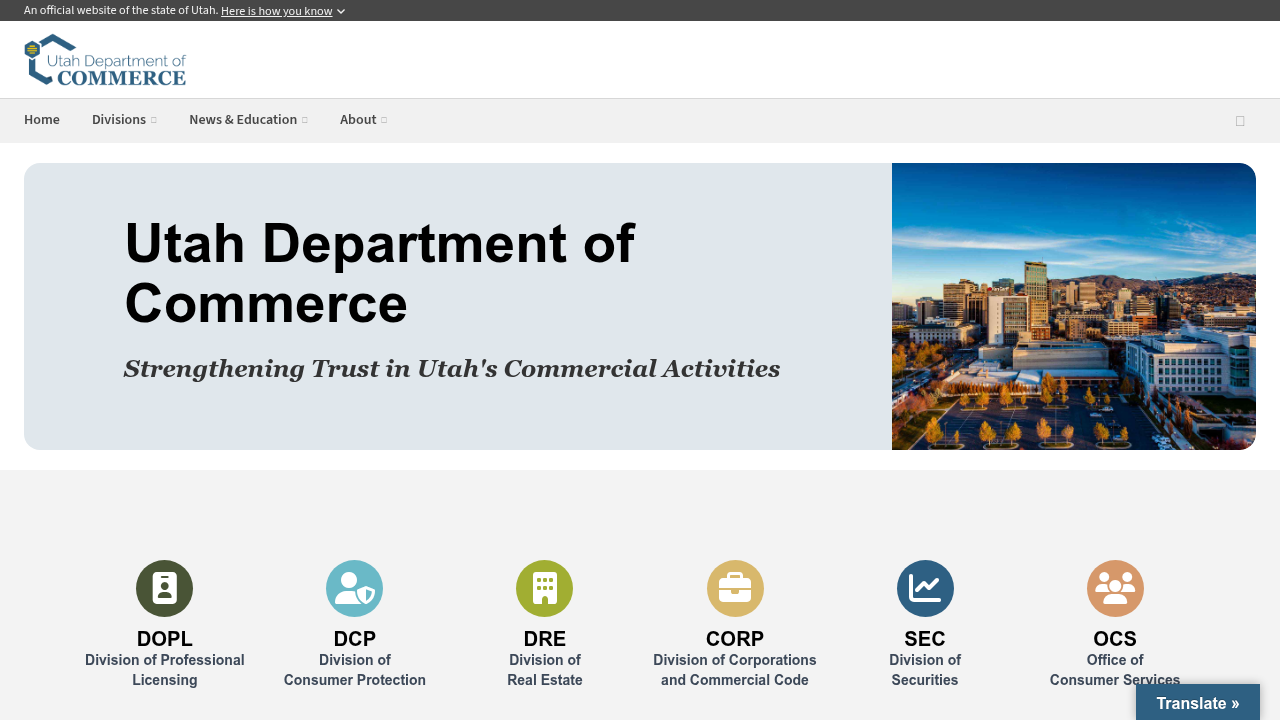
This is a very important step for businesses, whether they are just starting out or hiring people from other states
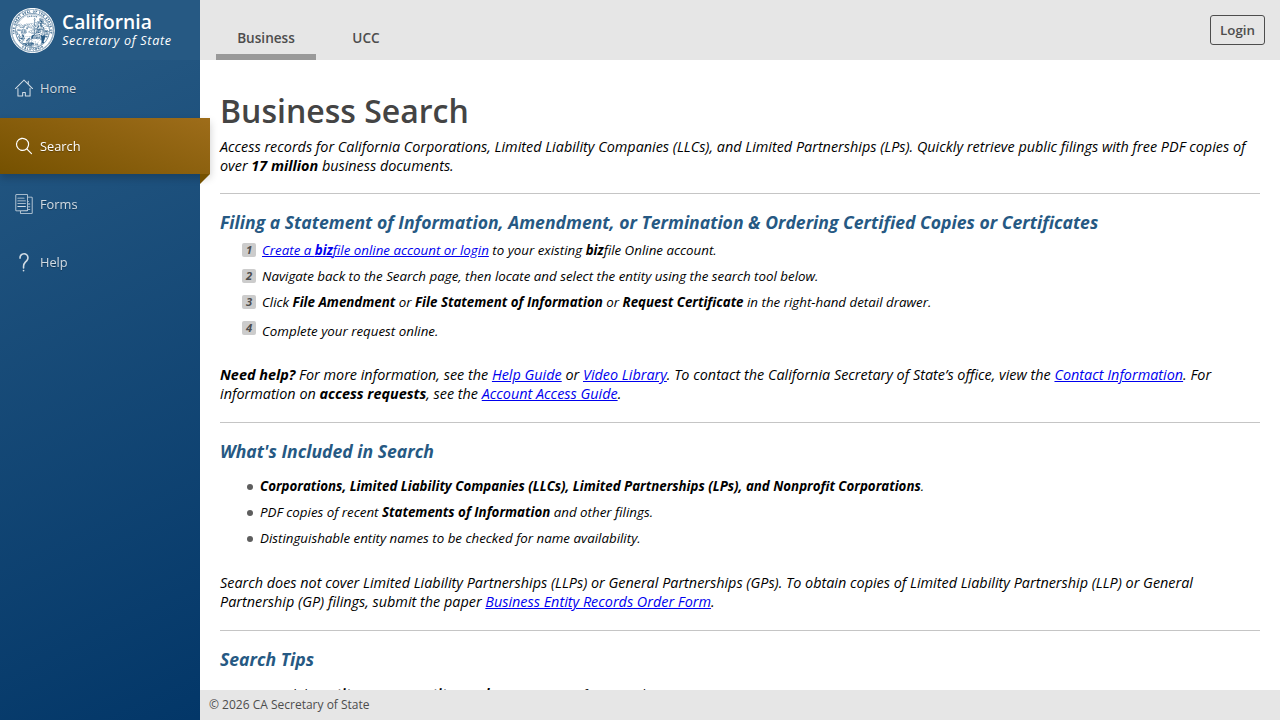
1. By looking up their records, you can see if they are officially registered and active. This is similar to how you might do a ca sos business search in California, a michigan business entity search, a georgia business search, or a texas business entity search for companies in those states. Each state has its own way to check if a business is real.
So, how do you do it? Don’t worry, we’re going to walk you through it. This guide will show you how to perform a utah business entity search step-by-step. You will learn how to find and understand the official records. Then, you can use what you find to make smart choices. You’ll know if you should apply for a job or accept an offer from a company that says it’s in Utah. Knowing how to check these details can save you a lot of trouble and help you find a great, real remote job. For more tips on finding legitimate remote roles, check out our guide on how to become a remote appointment setter in 2026 the simple method.
How a Utah business entity search protects remote appointment setters
Doing a Utah business entity search is a really smart step for anyone looking for remote jobs, especially if you want to be a remote appointment setter. It helps you know if a company is truly real and not just pretending. Think of it as putting on your detective hat to make sure you’re safe online.
When you do a utah business entity search, you’ll find official records about the company. The Utah Department of Commerce makes it easy to search for businesses registered in the state 1. Here are some important things to look for in those records:
- Active Status: This is super important. A legitimate business should have an "active" status. If a company’s status is "inactive" or "dissolved," it means they are not officially operating in Utah right now 2. You don’t want to work for a company that isn’t officially open for business.
- Formation Date: This tells you when the business officially started. A very new company isn’t necessarily a red flag, but if it claims to have been around for a long time yet has a very recent formation date, that could be suspicious.
- Registered Agent: Every official business needs a registered agent. This is a person or company that gets all the official mail and legal papers for the business. Knowing who this is helps show the company has a real, traceable contact point, which is a key part of how businesses are set up in Utah 3.
Spotting Red Flags for Remote Roles
Sometimes, what you don’t find in a utah business entity search can be just as important as what you do find. Here are some red flags
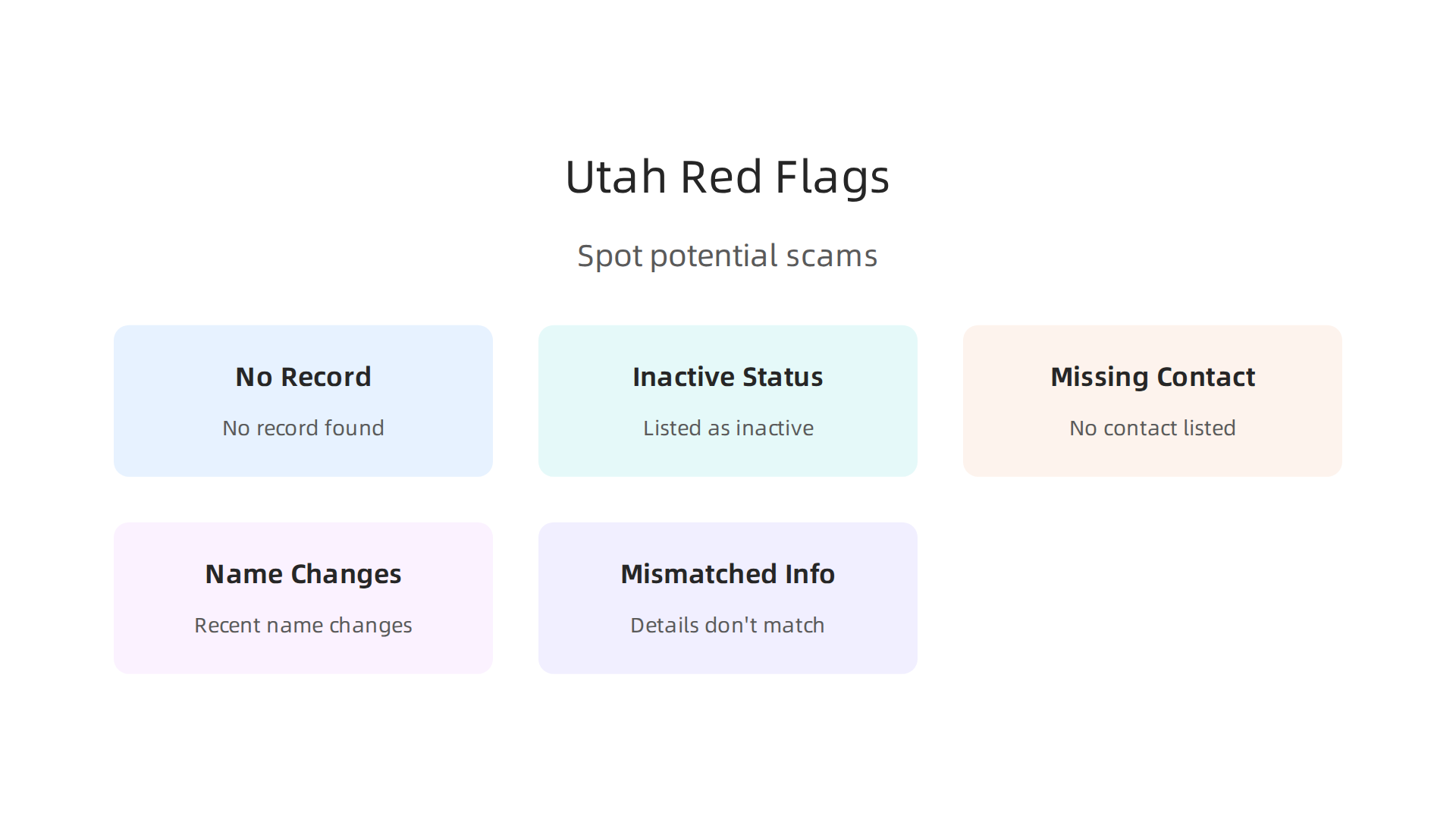
that are especially important for remote appointment setters:
- No Record Found: If you can’t find the company at all, that’s a huge warning sign. It might mean they’re not a real, registered business in Utah.
- Inactive Status: We talked about this. An inactive business can’t really hire you. The Utah Labor Commission even warns about scams targeting workers 4.
- Missing or Generic Contact Info: If the official record has no contact person or just a very general email address, be careful. Real businesses have specific ways to be contacted.
- Frequent Name Changes: While some businesses change names for good reasons, very frequent changes could suggest they are trying to hide something or escape a bad reputation.
- Mismatched Information: Does the name or address on the job posting match what you found in the
utah business entity search? If not, ask questions. Scammers often use fake names or addresses 5. Also, be aware of phishing scams where bad actors pretend to be legitimate businesses 6.
This kind of check is useful no matter where a company says it’s from. You’d do a ca sos business search for a California company or a michigan business entity search for one in Michigan. Each state has its own system, but the goal is the same: verify.
How Search Results Affect Your Hiring Decisions
Finding out a company is legitimate through a utah business entity search can change how you approach a job offer.

- Confidence in Offers: If the company is active and has clear information, you can feel much more confident about accepting a job. You know they are a real business that can legally hire you, even if you are working remotely from outside Utah 7.
- Contract Clarity: You’ll have peace of mind when reviewing contracts. Knowing the company is real means their promises in the contract are more likely to be honored.
- Reduced Payment Risk: You won’t have to worry as much about not getting paid or getting caught in a scam that asks for your personal financial details upfront.
By using this simple research tool, you protect yourself from potential job scams and fraud, which are sadly common in 2026. This small step can save you a lot of trouble and help you find a truly great remote appointment setting job. To learn more about navigating the remote job market, check out our guide on how to make money online in 2026 the remote appointment setting guide.
Doing a Utah business entity search is a smart move, just like we talked about. Now, let’s go through the steps so you can easily check if a company is real and trustworthy.
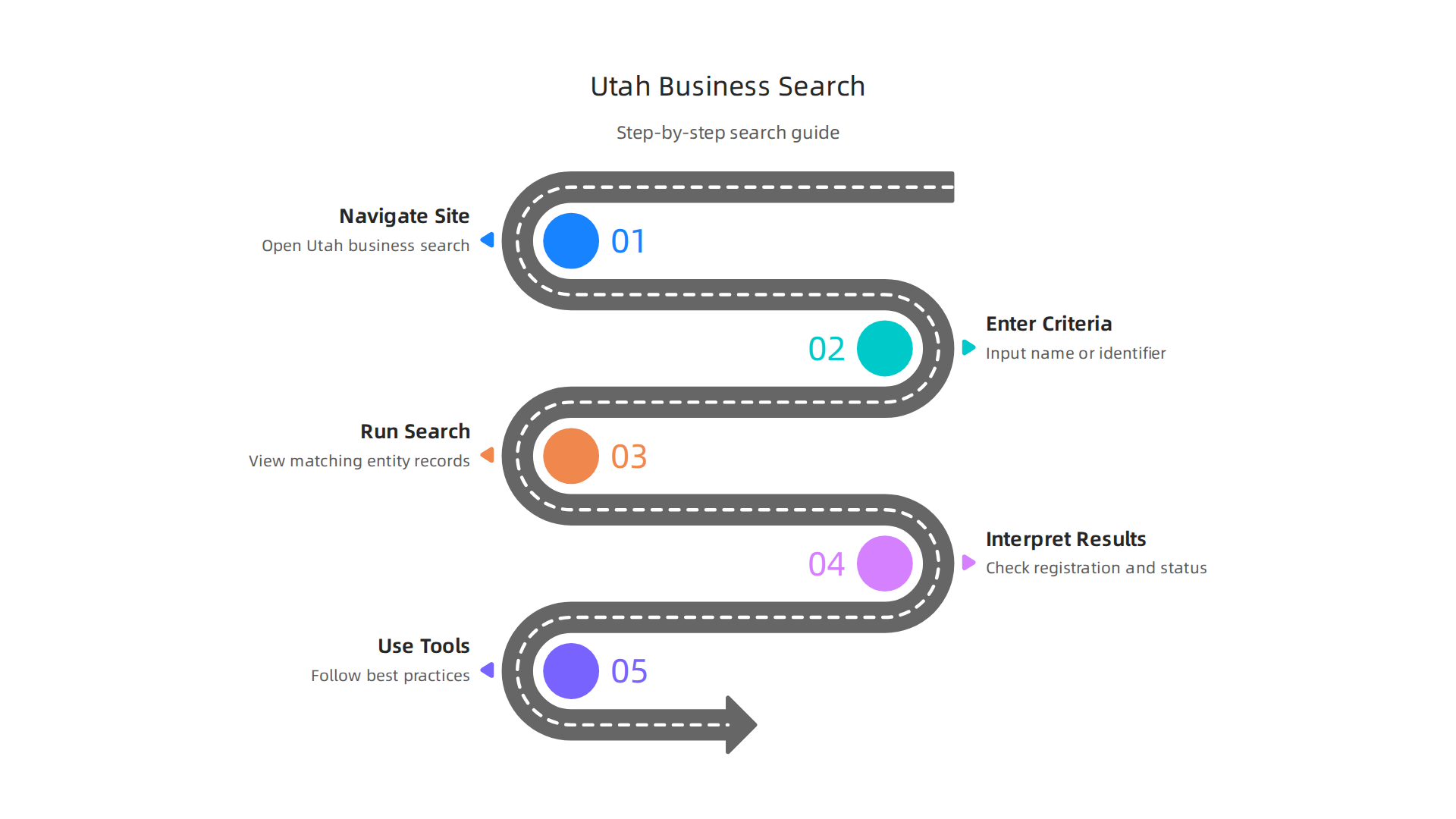
This way, you can feel safe looking for remote jobs in 2026.
Where to Start Your Search
The best place to begin your utah business entity search is the official Utah Department of Commerce website.
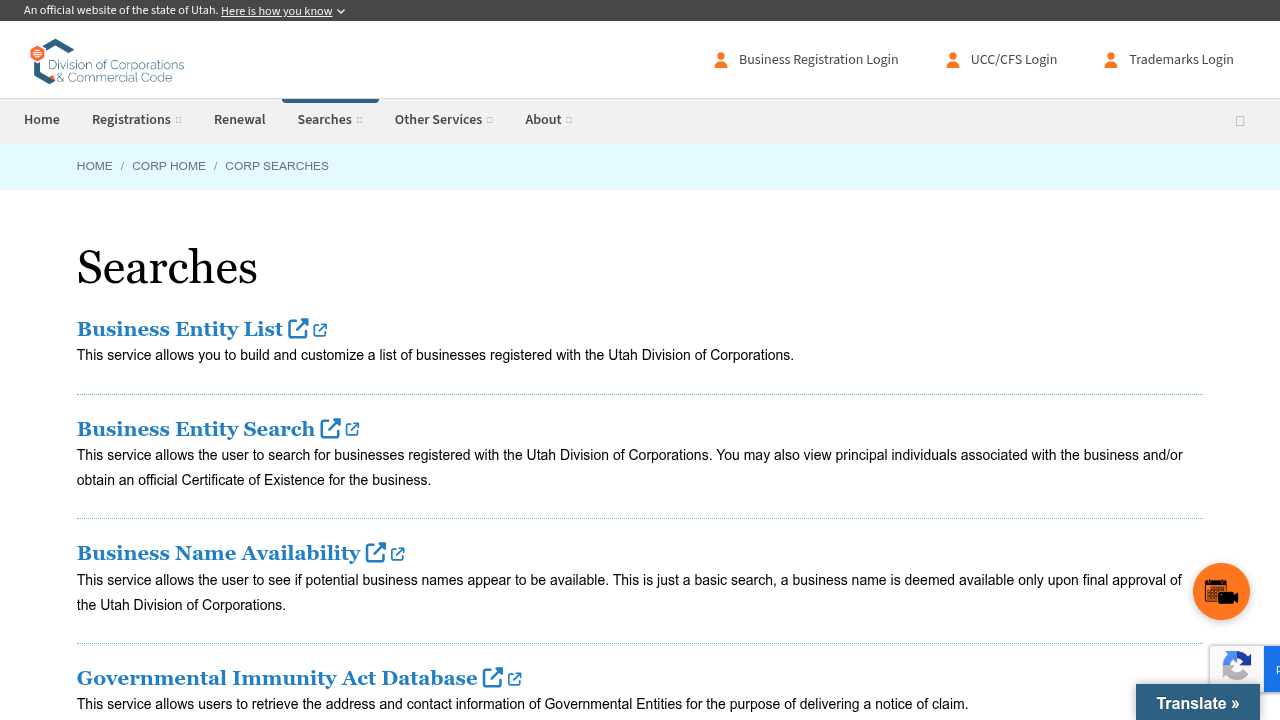
They have a special tool just for this 1. You don’t need to sign in or create an account to use it, which makes it super easy to check businesses 2.
Here’s how to find it:
- Go to the Utah Department of Commerce website.
- Look for a section called "Business Entity Search" or similar 3.
- Click on it, and you’ll be taken right to the search page.
How to Look Up a Business
Once you’re on the search page, you have a few ways to find what you’re looking for:
- Search by Business Name: This is probably what you’ll use most often. Just type in the name of the company you’re researching. If you don’t know the exact name, try different spellings or just a part of the name. Sometimes, a business might be registered slightly differently than how it appears in a job ad.
- Search by Entity ID: If you happen to have the company’s official business ID number, you can type that in for a very exact search.
- Search by Registered Agent: You can also search using the name of the company’s registered agent. Remember, this is the person or company that gets all the official mail 4.
It’s helpful to know that while we’re focusing on a utah business entity search, other states have similar tools. For example, you’d do a ca sos business search for a company in California or a michigan business entity search for one in Michigan. You might even do a georgia business search or texas business entity search depending on where the company you’re looking at is based. The process is much the same.
What the Search Results Tell You
When you get your search results, you’ll see a list of businesses. Click on the one that matches what you’re looking for to see more details. Here’s what to check:
- Status: This is super important. You want to see "Active." If it says "Inactive," "Dissolved," or anything else, the company isn’t officially operating in Utah right now 5.
- Entity Type: This tells you what kind of business it is, like an LLC (Limited Liability Company) or a Corporation. It’s good to see this information clearly listed.
- Registered Agent: Confirm that a registered agent is named. This shows the company has a real contact person.
- Filing History and Key Dates: Look at when the business was formed and if it has a history of changing its name or status often. A very recent formation date isn’t always bad, especially for new companies in 2026, but it’s something to note.
Smart Tips for Your Search
- Try different searches: If you don’t find the company by its full name, try shortening it or using keywords from the name. Sometimes, slight differences matter.
- Save your findings: It’s a good idea to take screenshots of the results or download any available official documents. This gives you proof of what you found.
- Keep a record: Create a simple spreadsheet or document to track the companies you research. Note down the company name, status, and any important dates or red flags. This helps you stay organized during your job hunt.
By following these simple steps, you’ll be much better at spotting real job opportunities from fake ones. This skill is priceless for anyone looking to succeed in remote work, especially as a remote appointment setter.
Ready to take the next step in your remote career journey? Learn how to find and secure great remote roles.
Explore Remote Appointment Setting Success
After you do your utah business entity search, you’ll see details about a company. One important detail is its "entity type." This just means what kind of business it is. Knowing this can tell you a lot about how the company works, especially if you’re looking for a remote job in 2026.
Here are the main types of businesses you’ll see and what they mean for you:
Common Business Types in Utah
- Sole Proprietor: This is the simplest kind of business. It’s owned and run by one person. Think of a freelance writer or a small online shop run by a single person. For a sole proprietor, the owner and the business are seen as the same for legal and tax reasons. This means the owner is directly responsible for all business debts. You might work for them as a contractor, not a regular employee.
- Partnership: A partnership is like a sole proprietorship but with two or more owners. They share the profits and the risks. Like sole proprietors, partners are usually personally responsible for business debts. You might see a small consulting firm or a design studio set up as a partnership. Again, you’d likely be a contractor here.
- LLC (Limited Liability Company): LLCs are very popular in Utah and everywhere else for small and growing businesses. An LLC protects the owners from business debts. This means if the business owes money, the owners’ personal savings or homes are usually safe. LLCs are flexible; they can choose to be taxed like a sole proprietor, a partnership, or even a corporation. This structure is common for remote companies, and they might hire you as either an employee or a contractor.
- Corporation (Inc.): A corporation is a more formal business type. It’s a separate legal "person" from its owners. This means it can own property, owe money, and enter into contracts on its own. Corporations offer strong protection for the owners’ personal assets, just like LLCs. They often have many shareholders and a board of directors. You’ll usually find larger businesses set up as corporations, and they almost always hire people as employees with regular payroll and benefits. The Utah Legislature often updates laws related to these business entities, like the "Business Entity Amendments" passed in the 2026 general session, showing they are actively managed by the state 1.
What This Means for Your Job Search
Understanding these types helps you know what to expect when you’re looking for work:
- Hiring as an Employee vs. Contractor:
- Employees (W-2): If you’re an employee, the company takes out taxes from your paycheck, and you might get benefits like health insurance or paid time off. Corporations and many LLCs hire employees.
- Independent Contractors (1099): If you’re a contractor, the company pays you the full amount, and you are responsible for paying your own taxes and getting your own benefits. Sole proprietors and partnerships often hire contractors. Some LLCs do too. Knowing this helps you manage your money and tax planning, especially for remote roles. You can learn more about finding the right roles by understanding how different businesses operate, which can even help you understand how to approach buying a small business for your own entrepreneurial success.
- Company Size and Structure:
- Sole proprietors and partnerships tend to be smaller businesses.
- LLCs can be small or grow quite large.
- Corporations are typically larger and have more formal structures, with clear departments and rules.
- Stability and Resources:
- While smaller entities can be great, larger, more established corporations or LLCs might offer more stable positions or a wider range of company benefits. That doesn’t mean small businesses aren’t good; just be aware of the differences.
When you do a utah business entity search, or even a ca sos business search for California, a michigan business entity search, a georgia business search, or a texas business entity search for those states, the general ideas about these entity types stay the same. LLCs are very common for remote employers because they offer good protection and flexibility. They allow companies to easily hire both employees and contractors, which is perfect for a work-from-home setup in 2026.
Knowing a business’s entity type is another piece of the puzzle that helps you decide if a remote job opportunity is right for you. It helps you understand if you’ll be an employee or a contractor and what that means for your taxes and benefits.
Ready to take the next step in your remote career journey? Learn how to find and secure great remote roles.
Explore Remote Appointment Setting Success
When you think about starting a business in Utah or just want to learn more about a company, you’ll need to know about registering a business. It’s a clear process that involves forms, fees, and keeping good records. Even if you’re not planning to start your own business, knowing how these things work can help you understand the businesses you might work for.
How to Register a Business in Utah
To start a new business entity like an LLC or a corporation in Utah, you usually go through a few steps:
- Choose Your Entity Type: First, decide what kind of business you want. We talked about sole proprietors, partnerships, LLCs, and corporations earlier. For LLCs and corporations, you’ll need to officially register with the state.
- Pick a Business Name: You’ll need a unique name for your business. You can check if a name is taken by doing a quick
utah business entity searchon the state’s website before you file anything. This helps you avoid issues later on. - File Your Forms: For an LLC, you’ll file something called a "Certificate of Organization." For a corporation, it’s called "Articles of Incorporation." These forms ask for important details about your business, like its name, address, and who is in charge. You can often file these online through the Utah Business Registration System, which makes things easier in 2026. If you’re looking to start your own venture, understanding these initial steps is key, and it can help you if you ever learn how to buy a small business.
- Choose a Registered Agent: Most registered businesses in Utah, like LLCs and corporations, need a "registered agent." This is a person or company that has a physical address in Utah. Their job is to accept official mail and legal papers for your business. It’s a very important role to make sure your business gets all its important notices from the state [^35].
Fees, Timelines, and Finding Business Records
When you register a business, there are fees and processing times to consider:
- Filing Fees: The cost to file varies by business type. For an LLC in Utah, the filing fee is typically around $59 [^36].
- Processing Time: If you file online, the state usually processes your forms within 5 to 7 business days [^19]. Sometimes it can take a bit longer, like 5 to 12 days [^17]. If you need things done faster, you can often pay an extra fee, sometimes around $75, to get your filing processed in just one to two business days [^18].
- Finding Filed Documents: After a business is registered, its information becomes public. You can always do a
utah business entity searchon the official Utah Business Search portal. This tool, provided by the Utah Division of Corporations, lets you look up existing businesses and see their public filing history without needing to log in [^1]. You can see when they were formed and other key details [^2]. This is useful even if you’re not forming a business yourself, as it can give you insights into potential employers.
What Filing History Tells You
When you do a utah business entity search, you’re looking at a business’s "filing history." This history tells a story:
- Active and Compliant: If you see a business has filed everything on time, like its initial forms and its annual reports (which cost about $18 for an LLC in Utah and are due each year) [^26], it usually means the business is active and follows state rules. This can show stability and good management.
- Missing or Late Filings: If a business has missed filing its annual reports or other required documents, it might mean the business is not very active, or it could be having problems. In some cases, a business could even lose its good standing with the state if it doesn’t file these reports [^29].
Knowing how to check this history can be really helpful. It gives you a deeper look into a company’s health, whether you’re evaluating a remote job opportunity or considering starting your own venture. The same ideas apply if you’re doing a ca sos business search for California, a michigan business entity search, a georgia business search, or a texas business entity search in other states; each state has its own system for keeping business records.
Ready to take the next step in your remote career journey? Learn how to find and secure great remote roles.
Explore Remote Appointment Setting Success
When you’re checking out businesses, especially for remote jobs or new partnerships, it’s super important to watch out for scams. Sadly, bad actors often try to trick people, and this can happen even when dealing with official-looking documents or job offers. In 2026, we still see many tricks related to business registration and hiring, especially for those looking for flexible work.
For example, the Utah Labor Commission has warned about new scams across the country that target workers in Utah. These scams try to get your money or personal details by pretending to be real job opportunities or official agencies [^1]. You might get fake emails about business licenses that ask for money or private info [^3]. Scammers are good at looking like they’re from a trusted group or government office [^4].
So, how can you stay safe? You can use the utah business entity search tool to check things out. It’s like being a detective for your own safety.
Trust Signals: What to Look For in Business Records
When you use the utah business entity search or look into a company, here are some "trust signals" that show a business is real and trustworthy:
- Consistent Address: Does the business address listed in the public records match the address on their website or in their job postings? If they say they are in Utah, they should have a real, registered address there.
- Valid Registered Agent: Remember the registered agent we talked about? Check if they have one listed and if that agent seems legitimate. You can often look up registered agents through state websites [^7].
- Recent Filings: A healthy business keeps its records up to date. Look for recent annual reports and other filings. If a business hasn’t filed anything in a long time, it might be a red flag.
- Matching Contact Information: Make sure the phone numbers, emails, and website addresses you find match what’s in the official records. A common scam sign is when contact details are generic or don’t match up with official filings [^2].
- Official Website: Always do your
utah business entity searchon the official Utah Department of Commerce website. This is the most reliable place to find correct information about businesses registered in Utah [^5]. The same goes if you’re checking aca sos business searchin California, amichigan business entity search, ageorgia business search, or atexas business entity search. Always use the official state portals.
What to Do If Something Looks Suspicious
If something feels off, trust your gut. Here’s what you should do:
- Don’t Click or Share: Never click on suspicious links in emails, and never give out personal information or send money if you’re unsure [^3]. Legitimate companies will not ask for bank details or upfront payments for a job application.
- Verify Directly: If you get an email or call that seems like it’s from a city or state office, don’t use the contact info they provide. Instead, find the official contact number for that office on their main government website and call them yourself to check if it’s real [^3].
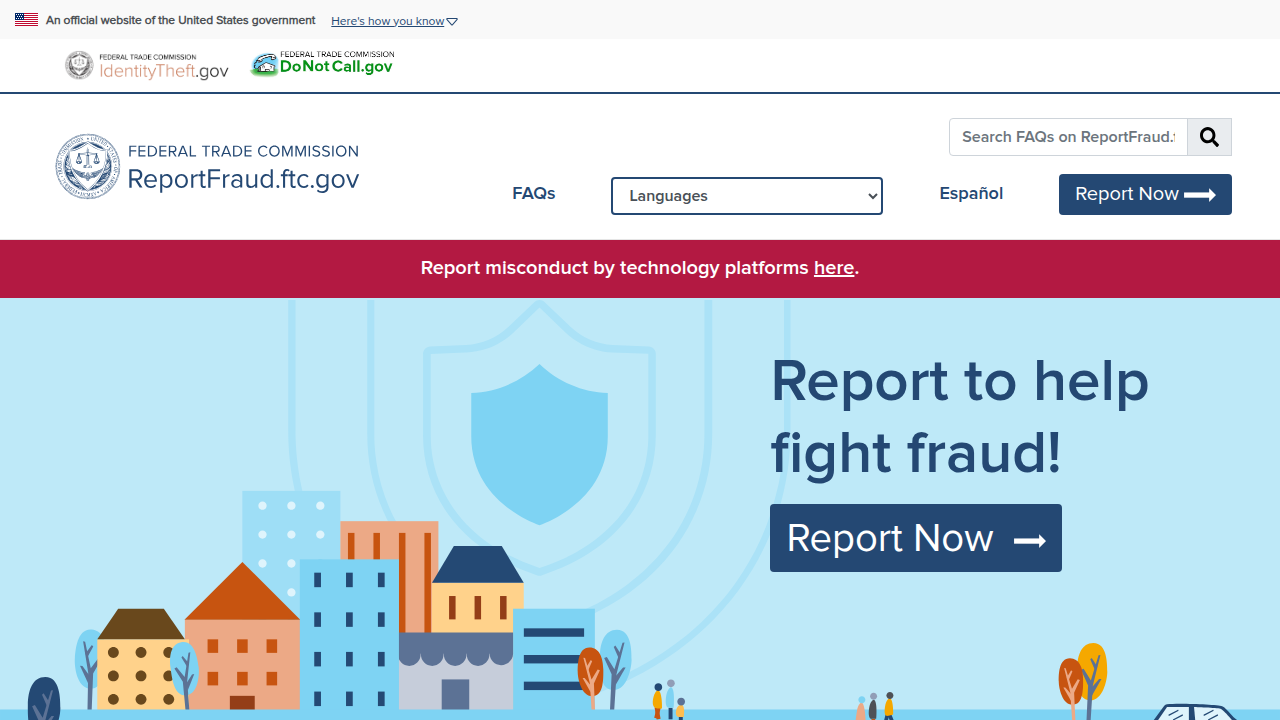
- Report It: If you find a scam, report it to the proper authorities, like the Utah Department of Commerce or the Federal Trade Commission.
- Ask for Proof: If a company wants to hire you, especially for a remote role, it’s okay to ask for more verification documents or references. A real company will understand.
By being careful and using tools like the utah business entity search, you can protect yourself from scams and make smarter choices, whether you’re starting your own business or looking for a new remote job. Learning how to spot these warning signs is a key step toward a safe and successful career. If you’re looking to start a remote career, understanding these checks can give you confidence. You can also explore our guide on how to become a remote appointment setter in 2026: The simple method.
Checking on a business isn’t just a one-time thing. It’s like checking the oil in your car; you have to do it regularly to make sure everything is running smoothly. This is especially true if you’re a contractor, looking for remote work, or thinking about a business partnership in 2026. Understanding a company’s ongoing duties, like filing annual reports and keeping its registered agent details up to date, can tell you a lot about how real and steady that business is.
Annual Reports Show a Business Is Active
Think of an annual report as a yearly check-in a business does with the state. It’s a formal update that tells the government the company is still active and provides important information. For a Utah LLC, this report includes details like the business’s name, its address, the names of its leaders, and its registered agent’s information [^2].
Businesses in Utah must file an annual report every year. This helps keep their public records current. There’s a small fee for this, usually around $18 for an LLC, and you can file it online through Utah’s official business portal [^5, ^6]. If a business doesn’t file its annual report, it could lose its good standing with the state, or even become inactive [^1].
When you use the utah business entity search tool, you can check if a company has been filing these reports on time.

A business that regularly files its annual reports shows it’s serious and follows the rules. If you see a business that hasn’t filed for a long time, that’s a sign to be careful. You can find instructions on how to file a Utah annual report online [^4] or visit the Utah Division of Corporations office business filing service at corporations.utah.gov to learn more about the process [^8].
The Registered Agent’s Key Role
We talked about registered agents before. They are the official point of contact for a business, receiving important mail and legal papers from the state [^7]. This information is included in the annual report, so it gets updated every year.
When you do a utah business entity search, pay close attention to the registered agent’s details. You want to see consistent information. If a business frequently changes its registered agent, or if the agent information seems generic or missing, it could be a red flag. A clear, stable registered agent shows a company is set up to receive official communications and is serious about its legal duties [^9].
Your Monitoring Plan for Peace of Mind
Being a smart contractor or job seeker means having a plan to keep checking on businesses. Here’s a simple way to monitor companies you’re interested in:
- Check Regularly: Don’t just check once. If you’re considering a long-term contract or a remote job, make it a habit to do a
utah business entity searchevery few months. This lets you see if their annual reports are being filed and if any key information has changed. The same goes for other states like aca sos business search,michigan business entity search,georgia business search, ortexas business entity search. Always use the official state portals. - Look for Updates: Are their records consistently updated? A business that updates its annual report information yearly is generally more reliable than one with outdated filings.
- Document What You Find: Keep a simple record of when you checked a business and what you found. This can be helpful if you ever need to refer back to it.
By keeping an eye on these ongoing details, you’re not just being careful; you’re becoming a more informed and safer professional. Understanding small business policy and how companies stay compliant can actually make you a better remote appointment setter, too, because you’ll know what to look for in potential clients or employers. You can learn more about how understanding these policies can help your career by reading our guide on how small business policy makes you a better remote appointment setter.
Summary
This article explains why performing a Utah business entity search is a fast, effective way to vet remote employers and avoid scams. It walks you through where to search (the Utah Department of Commerce), which search options to use (name, entity ID, registered agent), and the key records to check such as active status, formation date, registered agent, and filing history. The guide highlights common red flags—no record, inactive status, mismatched contact details, frequent name changes—and shows how verified results change how you approach offers, contracts, and pay. You’ll also learn how different entity types (sole proprietor, partnership, LLC, corporation) affect whether you’re likely to be hired as an employee or contractor. Practical tips cover saving screenshots, tracking checks over time, and using annual reports to monitor business health. Overall, the article gives job seekers concrete steps to confirm a Utah employer’s legitimacy and protect themselves when applying for remote roles.
