Thingiverse Website: Find Free 3D Models & Boost Your Creative Skills
Why the Thingiverse website matters and what this guide will solve
Have you ever heard of a website where you can find millions of ideas to create things with a 3D printer? That’s what the Thingiverse website is all about [3]. It’s a huge online community where people share free designs for 3D printing, laser cutting, and other cool projects [1, 5]. You can browse through lots of designs, finding everything from useful tools to fun toys
[1]. Many people search for the Thingiverse website because they want to find free models or join a creative group [6]. It’s a place where builders and makers come together.
But here’s the thing for many job seekers or people wanting to change careers: when you’re looking for new paths, like becoming a remote appointment setter, it’s really important to know which websites you can trust. There are many sites out there, some are just for fun, like the dogpile website or even the useless web. You need to know how to spot good, useful resources from those that waste your time. You might wonder, is this website safe? Is the information on it reliable? How do I even use it properly to help my goals? Understanding all sorts of websites and digital tools, from creative hubs to business management systems like business central, and even thinking about things like a site’s speed (what you might check with pagespeed insights google), is a part of being smart online.
This guide will help you understand how to look at online platforms like the Thingiverse website with a sharp eye. We’ll give you clear steps to figure out if a site is legitimate and how to use it well. You’ll learn tips for staying safe online. We will also talk about different kinds of online places you can find. For anyone hoping to find a remote job in 2026, or thinking about a new career like a remote appointment setter, learning how to judge and use online tools wisely is a big deal. It’s not just about 3D models; it’s about building your skills for the digital world.
Overview: What the Thingiverse website is and who uses it
So, what exactly is the Thingiverse website? Think of it as a huge online playground for anyone interested in making things with a 3D printer, laser cutter, or other digital tools
[1]. It’s the world’s biggest place where people share free designs, also called "Things" or 3D models [2, 3]. You can download millions of these designs to create almost anything you can imagine, from useful parts to fun toys [1, 5].
Unlike some websites that might just be for fun, like the dogpile website for searching or the useless web for silly links, the Thingiverse website is a truly practical and creative tool. It’s built on the idea of "open hardware," meaning people share their designs freely so others can use, change, and improve them [3].
Who uses Thingiverse and what do they make?
Lots of different people use Thingiverse:
- Designers: These are the creative folks who make the 3D models and upload them to the site. They share their ideas with the world [3].
- Hobbyists: People who own 3D printers love Thingiverse. They browse through millions of designs to find cool stuff to print for their homes, for gifts, or just for fun. You can filter designs by how popular they are or how hard they are to make [1].
- Educators and Students: Teachers use Thingiverse to find models for school projects, helping students learn about design, engineering, and technology. Students can also share their own creations.
- Makers and Innovators: Anyone who enjoys building or fixing things will find Thingiverse helpful. You can find custom parts, tools, or unique decorations. The site even has guides and blog posts to help you learn more about 3D printing and design [6, 7].
You can find all sorts of content there. For example, you might find a new vase design for your living room, a repair part for a broken appliance, or even parts for a robot! Knowing about sites like Thingiverse helps you understand the different ways online platforms can be used. It’s a very different kind of platform than, say, a big business system like business central.
Thingiverse in the world of 3D printing
The Thingiverse website is a giant in the world of 3D printing online. While there are other places where you can buy 3D models, Thingiverse stands out because it’s mostly about sharing designs for free. It’s a central hub for the 3D printing community, letting people connect, get feedback, and work together on projects [3].
When you think about how websites are built and how they perform, it’s interesting to consider how a site like Thingiverse keeps so many files easy to find and download. For any website that shares a lot of content, like Thingiverse, it’s important that it loads fast and works well. Tools like pagespeed insights Google help website owners check how quickly their pages load, which is key for a good user experience, especially when users are browsing through many designs.
Understanding platforms like the Thingiverse website isn’t just about 3D printing. It’s about recognizing how different online communities work and how digital tools can help you create, learn, and connect. This skill of figuring out useful online resources is very helpful, especially if you’re looking for a new job in 2026, maybe even as a remote appointment setter.
When you visit the Thingiverse website, you’ll find it packed with helpful tools that make finding, sharing, and changing 3D designs easy. It’s built to help you get creative, much like a good blueprint for the user experience design process should be.
How to browse and find cool "Things"
Finding what you want on the Thingiverse website is simple. You can look through millions of designs, and they have ways to help you sort them [1]. You can search for specific items, or check out the "Discover" page, which shows off the best and newest designs [4]. It’s a lot more focused than just general web searching you might do on a dogpile website. Unlike some sites that just offer silly distractions, like the useless web, Thingiverse is all about practical creativity. For a quick visual guide, you can even watch videos on what to look for on the Thingiverse home page to get started [9].
Every design, or "Thing," has its own special page. On this page, you’ll see pictures of the item, details about it, and importantly, the files you need to make it. Most often, these files are in a format like .STL, which is what 3D printers understand.
Designers also often share notes on how to print their design, what materials they used, and how hard it is to make. This extra information, often called "metadata," helps you decide if a design is right for your project.
Organizing your finds with collections and profiles
The Thingiverse website lets you keep track of designs you like. You can save "Things" into your own "collections," which are like folders for your favorite ideas. This helps you organize all the cool stuff you find, whether it’s parts for a robot or decorations for your home [5].
Every user also has a profile page. This is where creators show off all the "Things" they’ve made and shared. You can explore what other makers are doing and even follow your favorite designers.
The power of community: likes, comments, and remixing
What truly makes the Thingiverse website special is its community. It’s not just a place to download files; it’s a place where people talk and share ideas.
- Likes and Comments: When you find a design you like, you can give it a "like" to show your appreciation. You can also leave comments, asking questions, giving tips, or sharing how your own print turned out. This feedback helps other users and gives designers ideas for improvements.
- Remixing: This is a big part of the "open hardware" spirit of Thingiverse. If you download a design, you can change it, make it better, or use parts of it to create something new. This is called "remixing" or "forking" a design [3]. When you upload your new version, you can link it back to the original design, showing how ideas grow and evolve. This collaborative spirit is what makes Thingiverse a dynamic place. This kind of creative sharing is very different from managing a strict business system like business central.
All these interactions, like likes and remixes, help good designs become more visible. Popular "Things" often appear higher in search results or on the "Discover" page, making it easier for everyone to find the most useful and exciting creations. It’s a vibrant ecosystem that grows with every contribution.
Using the Thingiverse website is simple once you know the steps. It’s like having a special map for all your 3D printing adventures. Here, we’ll walk through how to find models, download them, and even share your own creations.
Downloading "Things" for Your 3D Printer
Let’s say you’ve found something cool on the Thingiverse website, maybe a toy or a useful tool. Here’s how to get it ready for printing:
- Find Your Design: You can use the search bar to look for what you want or browse the "Discover" page for new ideas.
- Go to the "Thing" Page: Click on the design you like. This takes you to its special page. You’ll see pictures, a description, and important information from the person who made it.
- Find the Files: Look for a section called "Thing Files." This is where you’ll find the actual files you need for your 3D printer. Most often, these are
.STLfiles [2, 3]. Sometimes, the designer might also include other files or instructions. You might see a blue picture of the.STLfile [2]. - Download the Files: You’ll usually see a "Download" button next to each file or a main "Download All Files" button for the whole design [1, 3]. Click this button to save the files to your computer.
- Read the Notes: Always read what the designer says! They often share tips on how to print the item best, what materials to use, and any special settings your 3D printer might need. This helps avoid mistakes and makes your print turn out great [1].
For a visual guide on downloading, you can even watch helpful videos that show you each step [4]. Once downloaded, you’ll use a special program called a "slicer" to get the file ready for your specific 3D printer.
Keeping Your Finds Organized
As you explore the Thingiverse website, you’ll find tons of cool stuff. To keep track of it all, use collections. Think of them like digital folders where you can save designs for different projects. Maybe one collection is for "kitchen gadgets" and another for "gift ideas." This keeps everything tidy and easy to find later [5].
Learning to organize your digital stuff, like your 3D model collections, is a lot like learning any new skill. Just like how having a clear plan helps you master a new job, such as becoming a remote appointment setter, knowing how to sort your finds makes Thingiverse much easier to use. If you’re interested in structured learning for new roles, you can explore guides like how to become a remote appointment setter in 2026: The Simple Method.
Sharing Your Own Creations
Once you get good at 3D design, you might want to share your own "Things" with the world! Uploading to the Thingiverse website helps others learn and create.
- Prepare Your Model: Make sure your 3D model is saved as an
.STLfile or another common format. - Take Good Photos: Show off your design! Take clear pictures of your finished print from different angles. This helps others see what it looks like.
- Write a Good Description: Explain what your "Thing" is, how it works, and any special tips for printing it. Tell people about the materials you used and how difficult it was to make.
- Add Tags: Use keywords that describe your design, like "vase," "phone stand," or "robot part." This helps people find your creation when they search [9].
- Choose a License: Thingiverse uses "Creative Commons" licenses. This lets you decide how others can use your design. Many people pick a license that lets others share and change their work, which is part of Thingiverse’s community spirit.
- Upload the Files: Follow the steps on the site to upload your
.STLfiles and pictures [6, 7].
Sharing your work helps the whole 3D printing community grow. Others can learn from you, give feedback, and even "remix" your designs into new and exciting things.
Unique websites and web directories: Thingiverse alternatives and how to choose the right one
While the Thingiverse website is a super popular place for 3D models, it’s not the only game in town! Think of it like a big store, but sometimes you might want to visit other stores for different kinds of goods. In 2026, there are many other great websites and web directories where you can find 3D models. They each have their own special things, and knowing about them helps you find exactly what you need.
Other Great Places for 3D Models
Let’s look at some other well-known sites for 3D printer files:
- Printables: This site is known for having very good models. Many designers here share files that have been tested well. They also have fun contests and challenges [1].
- Cults3D: If you’re looking for unique or more "fancy" designs, Cults3D is a good spot. Designers on this platform often share models that might cost a little money, and they can earn from their work
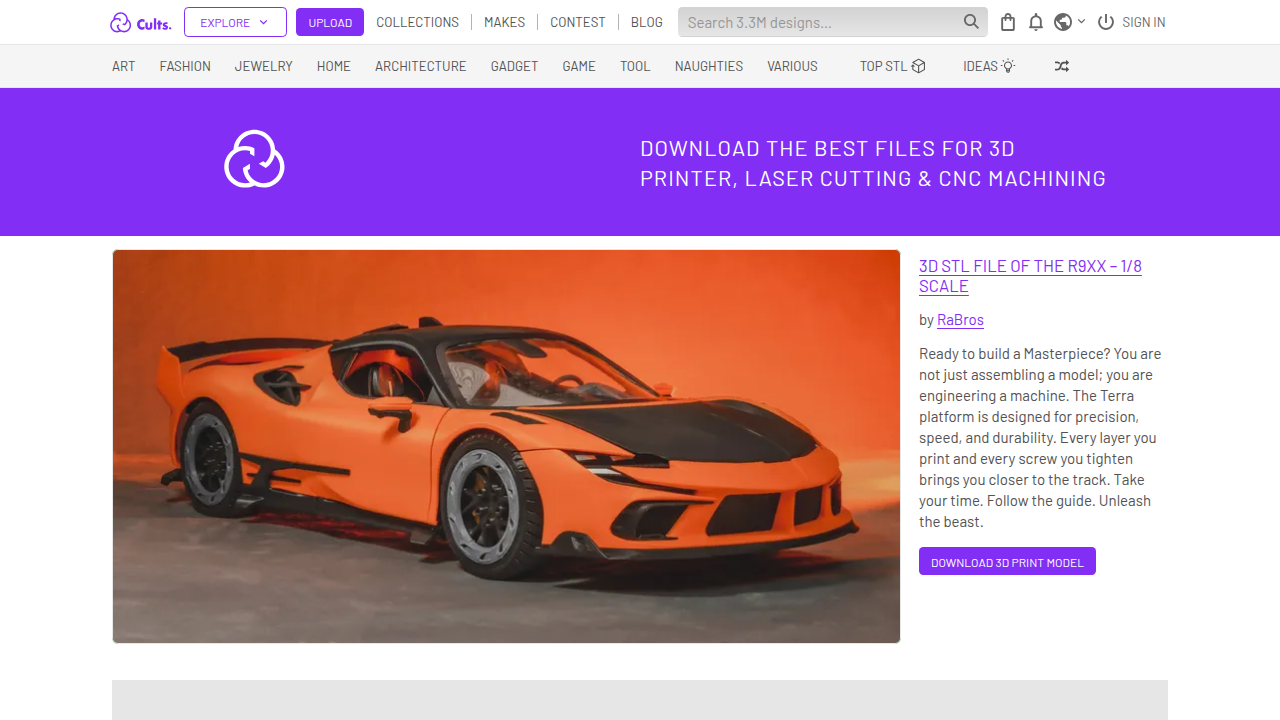
[2, 8]. This often means the quality is very high.
- MyMiniFactory: This website is special because it makes sure that almost every model you download will actually print well. They check models before they go live, which is really helpful [6].
- Thangs: This one is like a search engine for 3D models. It can help you find models that are hosted on different websites, not just its own [1].
- MakerWorld: This is a newer website that has become quite popular. It often gives rewards to designers for their creations, which encourages them to share good stuff [1].
- Yeggi: Not a place to upload models, but a search engine that looks across many other 3D model sites. It’s great if you want to see options from everywhere at once [4].
You can also watch helpful videos that compare different sites to get a better idea of what each one offers [3].
When to Pick a Different Website
So, why would you use a site other than the Thingiverse website?
- Better Quality Models: Sometimes, other sites have stricter rules or a process to check models. This can mean fewer printing problems for you [6].
- Special Models or Uses: If you need a model for a business project, or if you want to sell what you print, you might look for sites with clear commercial licenses. Cults3D, for example, is known for premium content [2, 8].
- Niche Collections: Some sites might focus on specific types of models, like parts for robots or very artistic designs.
- Stronger Community or Support: A vibrant community can offer more help and ideas, similar to how a good team environment supports growth in a new career path.
How to Choose the Right 3D Model Website
When you’re picking a website, here are some simple things to think about:
- File Quality: Do the models look well-made and are they easy to print? Read comments from other users to see if they had success.
- Licensing Rules: How can you use the model? Is it only for personal use, or can you sell things you print? Clear licenses are important.
- Community Activity: Is the website busy with new models and helpful people? A lively community is usually a good sign.
- Easy to Find Things: Can you search easily? Are categories clear? This helps you discover new designs without trouble.
- What Kind of Files: Most sites use
.STLfiles, but it’s good to know if they support other types too.
Choosing the right website is like choosing the right tools for any job, even for something like learning a new career. Just as you’d research different paths when learning how to become a remote appointment setter in 2026: The Simple Method, taking time to explore 3D model sites helps you achieve the best printing results.
Legitimacy, safety, and copyright: avoiding scams and respecting licenses on directories
When you look for 3D models online, whether on the Thingiverse website or other places, it’s super important to make sure the files are safe to download and use. You also want to respect the hard work of the people who created them. In 2026, knowing these things keeps you out of trouble and makes your 3D printing fun!
How to Know if a Model is Trustworthy
Imagine you’re searching for something important, and you want to avoid a website like "the useless web" that just sends you to random places. You want reliable sources! It’s the same for 3D models. Here’s how to check if a model page or user is legit:
- Look at the designer’s profile: A good designer usually has many models, good ratings, and helpful comments from others. If a profile is brand new with only one model and no feedback, be a little careful.
- Read the comments and reviews: Other users will often say if a model printed well or if they had problems. This is like getting advice from friends before trying something new.
- Check the number of downloads and "makes": Many downloads mean lots of people have tried it. Some sites also let users share pictures of what they printed, which is a great sign the model works!
- Look for clear descriptions: A good model usually has a clear write-up, printing tips, and maybe even photos. If details are missing, it could be a red flag.
Understanding the Rules: Licenses and Copyright
This is a big one! When someone creates a 3D model, they own the rights to it, just like an artist owns their painting [2]. This is called copyright. How you can use their model depends on the "license" they choose:
- Creative Commons (CC) licenses: Many designers use these. They let you share and use models, but often with some rules. For example, you might need to give credit (say who made it), or you might not be allowed to sell things you print from it (non-commercial). Sometimes, you also have to share your "remixes" or changes under the same license. Always check the specific CC license!
- Proprietary or Commercial licenses: These mean the designer keeps all the rights. If you want to use such a model, especially for making money, you often need to pay for a special license. Sites like Cults3D (mentioned in the last section) often feature these types of premium models. Using models without the right license, especially for selling, can lead to legal issues [2, 8].
Platforms are working hard to protect creators. For example, MakerWorld started a "Creator Copyright Protection Program" in 2026 to help designers protect their work [1, 3]. There are even big legal cases happening in 2026, like the Pop Mart Bambu Lab case, that are shaping how copyright works in 3D printing [7].
Safety Checks and Community Help
Think of it like checking your car before a long trip. You want to make sure everything is safe.
- Website’s own safety features: Good websites have ways for users to report bad files or bad actors. They might also have people who check models before they go live, like MyMiniFactory does.
- Community moderation: An active community often helps by pointing out problems, asking questions, and sharing solutions. This collective effort is a strong signal of reliability.
- DMCA compliance: Many big platforms follow the Digital Millennium Copyright Act (DMCA) rules. This means they have a process to remove content that breaks copyright laws if someone reports it [5]. Seeing this shows the site cares about legal and ethical use.
- Avoid suspicious links: If a model page tries to send you to a weird external website or asks for strange downloads, just close it. Stick to direct downloads from the trusted platform. This is a bit like how you wouldn’t trust a random link from a search engine like a "dogpile website" if it looked suspicious.
Understanding these points helps you navigate the world of 3D models safely and responsibly. Just like learning to understand the policies that protect small businesses can make you a better remote appointment setter, understanding licenses and legitimacy protects your 3D printing journey. It’s all about being smart and respectful online!
Opportunities for Job Seekers and Remote Workers: Using Thingiverse and Directories to Build Skills or Freelance Profiles
Did you know that playing around on websites like the Thingiverse website can actually help you find a job? It’s true! These online places aren’t just for sharing fun 3D models. They can be like a special kind of resume that shows off your skills to others. In 2026, many people are finding new ways to work from home, and your passion for 3D printing can be a step toward a great remote job.
Building Your Skills and Showing Them Off
When you create and share 3D models on a platform, you’re doing more than just printing. You’re showing important skills like:
- Design and Creativity: Every model you make shows you can think up new ideas and bring them to life.
- Problem-Solving: If a model doesn’t print right, you fix it. That’s a valuable skill!
- Attention to Detail: Good 3D models need to be made carefully. This shows you pay close attention.
- Community Work: When you help other users or respond to comments, you show you can work well with people online.
Your profile on sites like the Thingiverse website, MyMiniFactory, or Cults3D becomes your personal portfolio [1]. A portfolio is like a show-and-tell for grown-ups. It helps people see what you can do. Employers in 2026 often look for projects over just words on a resume [14]. Having a good portfolio helps you stand out [9, 10]. You can upload pictures of your best designs, explain how you made them, and share the positive comments you received.
Types of Remote Jobs and Gigs
Many companies are looking for people with 3D design skills, especially for remote work. Here are some examples:
- 3D Modeler: This is the most direct fit. Companies hire people to create specific 3D models for games, movies, products, or even architectural designs. You can find many remote 3D modeling jobs online [13].
- Community Support Specialist: Websites that host 3D models, like Thingiverse alternatives such as Printables or MakerWorld, need people to help users. You might answer questions, guide new designers, or help keep the community friendly.
- Content Moderator: These roles involve checking uploaded models to make sure they follow the rules and licenses we talked about earlier.
- Technical Writer or Tutorial Creator: If you’re good at explaining how to design or print things, you could create guides or videos for 3D printing companies.
- Freelance Designer: Businesses or individuals might pay you to design custom 3D models for them. Websites like Cults3D or others that focus on premium models are often good places for designers to sell their work [7, 8].
Your public profile, showing a history of good designs and positive interactions, can make you very attractive for these kinds of roles. It’s like having a great online reputation!
Finding Real Opportunities and Staying Safe
Just like you need to be careful about which 3D models you download, you also need to be smart about job hunting. Avoid job listings that seem too good to be true or ask for personal information too early. Here’s how to spot good opportunities:
- Look for reputable companies: Stick to well-known job boards like Indeed or company websites. Don’t click on links from strange "dogpile website" or "the useless web" type sources in job ads.
- Check company reviews: See what current and past employees say about a company before applying.
- Strong Portfolios are Key: A good job usually asks to see your work. Make sure your online portfolio on a platform like the Thingiverse website or its alternatives is always up to date [12].
- Be wary of upfront payments: A real job won’t ask you to pay money to get hired.
Building your skills and an online portfolio on 3D model directories can truly open doors to exciting remote work in 2026. It’s all about being active, learning, and showing what you can do.
If you’re interested in diving into remote work, especially in a field like remote appointment setting, our comprehensive guide can help you get started today. Learn how to become a remote appointment setter in 2026!
Best practices, tools, and workflows for directory users and creators
To truly make your mark on platforms like the Thingiverse website and other 3D model directories, it helps to know the best ways to create, share, and connect. Think of it as learning the secret handshake for success. If you use these sites smartly, you can build great projects and even boost your chances for remote work in 2026.
Recommended Tools and How to Use Them
To make really good 3D models and prepare them for sharing, you’ll need a few helpful tools:
- Design Software (CAD): This is where you create your ideas. Simple tools like Tinkercad are great for beginners. For more complex designs, programs like Fusion 360 are popular.
- Slicer Software: After you design your model, a slicer program (like Cura or PrusaSlicer) turns your 3D design into instructions your printer can understand. This step is super important for a good print.
- Good File Formats: Most 3D printing platforms, including the Thingiverse website, use STL files for models [1, 2]. Make sure your designs can be saved in this format.
When you upload your models, don’t just put the file out there. Add good information! This includes clear pictures of your finished print, a simple description of what it is, and helpful print settings (like what material you used or how long it took). This helps other users succeed and shows you know your stuff [3, 9]. You can even upload your first design to Thingiverse with a simple guide [6, 8].
Community Best Practices
Being part of a 3D printing community is like being part of a neighborhood. Good neighbors are friendly and helpful:
- Be Polite: When you comment on someone’s design or ask for help, always be kind.
- Give Credit: If you use someone else’s model and change it (this is called "remixing"), make sure you give them credit. This shows respect for their original work.
- Follow the Rules: Every site has rules about what you can share and how. Make sure your uploads follow these guidelines, especially about licenses [5]. Licenses tell people how they can use your designs.
- Help Others: If someone asks a question you know the answer to, share your knowledge. This builds your reputation as a helpful and experienced maker.
Turning Your Activity into Job Evidence
Your activity on the Thingiverse website or other similar platforms isn’t just a hobby; it’s proof of your skills. Here’s a checklist to help you turn your online making into job-market evidence:
- Track Your Success: Keep an eye on how many times your designs are downloaded, liked, or remixed. These numbers show people like your work.
- Show Variety: Don’t just upload one type of thing. Show that you can design different objects and solve various problems. This makes your portfolio more interesting [10, 11].
- Explain Your Process: For your best projects, write a short story. Explain why you made it, what challenges you faced, and how you fixed them. This shows your problem-solving skills.
- Get Feedback: When people comment, take it seriously. Positive comments are great, but even helpful suggestions can show you’re open to learning.
- Link to Your Portfolio: On your resume or job applications, share a link to your online profile on the Thingiverse website or your personal portfolio website [12, 13]. Employers in 2026 really want to see your actual projects, not just words [14].
By following these tips, your time spent on 3D printing directories can become a strong part of your professional story, opening doors to exciting remote job opportunities.
If you’re interested in diving into remote work, especially in a field like remote appointment setting, our comprehensive guide can help you get started today. Learn how to become a remote appointment setter in 2026!
Summary
This article explains what the Thingiverse website is, who uses it, and why it matters for makers and job seekers alike. It covers how to browse and download millions of free 3D models, how to upload and document your own designs, and how collections, likes, and remixes power community sharing. The guide compares Thingiverse to popular alternatives, explains how to check model quality and site legitimacy, and outlines copyright and licensing rules you must follow. It also lists practical tools and best practices for designing, slicing, and organizing files, and shows how active profiles on model directories can become real evidence for remote work or freelance gigs. Readers will learn concrete steps to stay safe, respect creators’ rights, and turn their 3D work into portfolio material that helps in job searches.
