
Surprise Spring Training Tickets Your Gateway to Remote Appointment Setting Success

It’s 2026, and baseball fans are already getting excited for MLB Spring Training. Players are heading to camps, ready to start the season [espn.com]. This yearly event means a lot of fans want to catch a game. Sometimes, extra or "surprise spring training tickets" pop up. These are great chances for people who work as remote appointment setters.

Think about it. When a big event comes around, like Spring Training games in Arizona, where 15 teams play across 10 stadiums [cactusleague.com], or when people are looking for a hot "philadelphia eagles ticket," there’s a huge need. Companies need help managing all the interest and selling tickets. These tickets, especially for Spring Training, can be less costly than regular season games, making them very popular [seatgeek.com]. This high demand creates many chances for you to find leads and set appointments, all from your home office. You could be helping fans secure their seats, whether it’s for baseball or even special entertainment like "sphere experience tickets."
Here’s the thing, getting started as a remote appointment setter can feel a bit scary. You might ask yourself:
- How do I know if a remote job is real and not a trick?
- What’s the best way to learn about selling tickets or setting up sales calls?
- How do I make sure I don’t get involved in a scam?
It’s true, finding real opportunities and understanding how to sell different products, from "surprise spring training tickets" to discussing the "nfl sunday ticket price" or even helping someone get a "sunday ticket free trial," needs good guidance. Many job seekers face these challenges.
This guide is made just for you. We’re going to make it simple to understand this exciting field. We’ll give you clear steps on how to find real jobs, learn the ropes of selling, and grow your career. You’ll get practical advice, checklists to spot good roles, and even ideas for what to say to customers. Our goal is to give you a clear map to become a successful remote appointment setter, especially when dealing with popular and sometimes unexpected ticket opportunities. To learn more about starting your journey, explore our detailed guide on how to become a remote appointment setter in 2026.
Overview: How the spring training ticket lifecycle creates outreach moments
Think about baseball tickets for Spring Training. They don’t just appear all at once. Instead, they come out in different waves, and each wave gives you, as a remote appointment setter, a special chance to help people. Let’s look at how this works.
The Stages of Spring Training Tickets
There are a few key times when surprise spring training tickets and other event tickets become available:
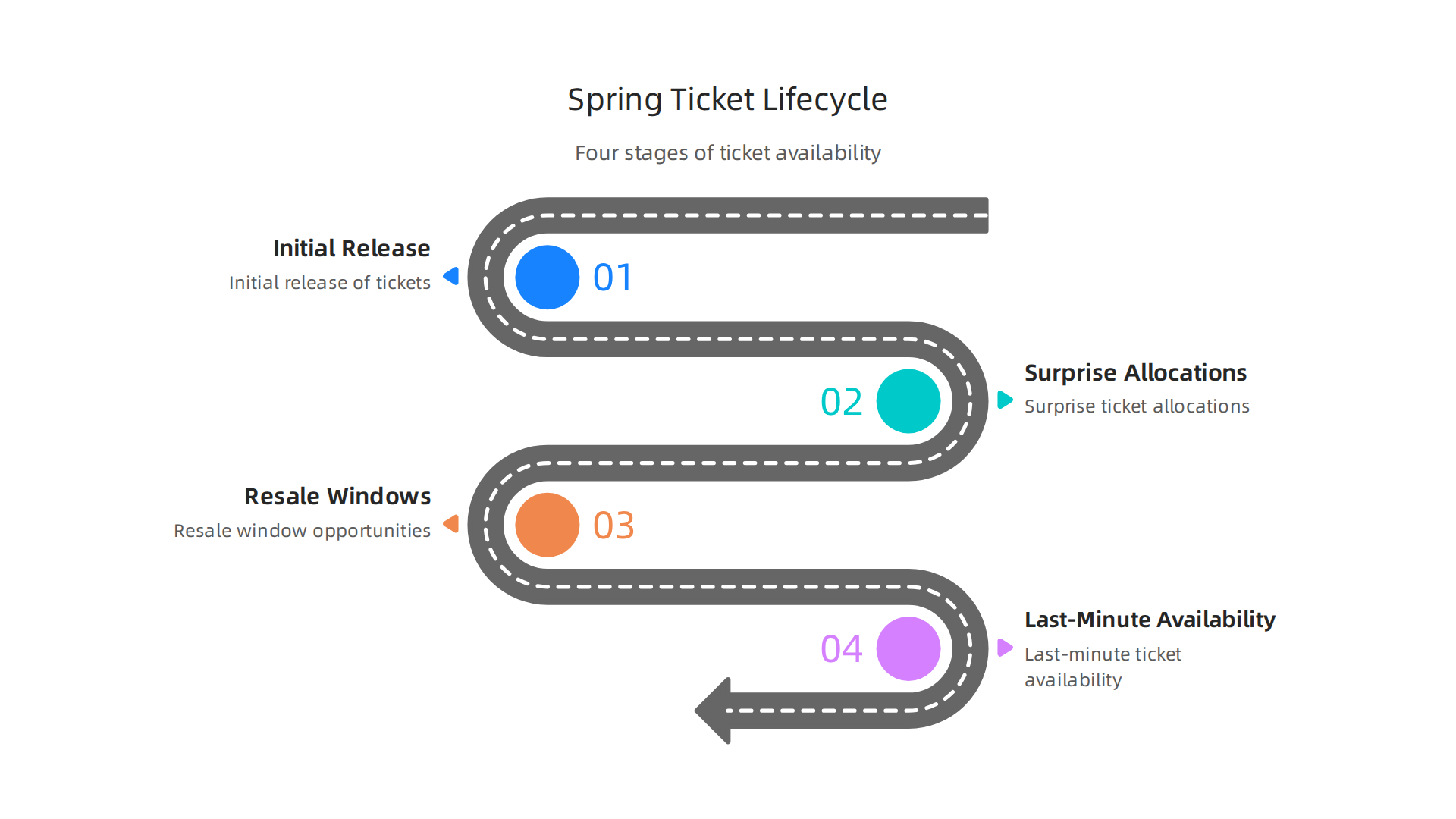
- Initial Release: This is when tickets first go on sale, usually months before the games start. People who plan ahead or have special memberships often get these. Companies might want help reaching out to these early birds to offer special packages or seats. Many tickets are generally less expensive than regular season games at this point, making them attractive to fans [seatgeek.com].
- Surprise Allocations: Here’s where it gets interesting for
surprise spring training tickets. Sometimes, teams or venues hold back a small number of tickets. Then, closer to the event, they release these extra tickets. These are "surprise allocations." People who missed out before are often super excited to find these. They are usually high-intent buyers, meaning they really want to go and are ready to buy fast. It’s a quick, time-sensitive chance for you to connect them with their desired seats. For example, Major League Baseball (MLB) teams have dedicated pages for Spring Training tickets, like the Athletics [mlb.com], where these allocations might pop up.
- Resale Windows: If someone can’t go, they might sell their ticket. Websites like SeatGeek or StubHub allow this. These tickets might be more or less expensive than the first price. Fans looking for specific games or better seats often check these sites. You could help people find tickets here, especially if they are looking for specific opponents or seating sections.
- Last-Minute Availability: As game day gets really close, a few more tickets might pop up. These are often due to cancellations or final releases. People looking for
surprise spring training ticketsat the very last minute are eager and often don’t have much time to search. This is another great chance for you to jump in and help them quickly secure a spot.
Why Surprise Tickets Are Golden for Appointment Setters
Surprise spring training tickets are special because the people looking for them are usually very eager. They might have missed the first sale, or they just decided to go at the last minute. This means they are often ready to buy right away. They might not want to miss out on seeing their favorite team play in sunny Arizona, where 15 MLB teams train across 10 stadiums [cactusleague.com].
Your job is to connect with these excited fans.

You can help them find the tickets they want, answer their questions, and make sure they have a smooth buying process. It’s similar to helping someone find a hot philadelphia eagles ticket or even sorting out an nfl sunday ticket price or a sunday ticket free trial. The goal is always to connect a person with what they really want.
Different Kinds of Tickets, Different Kinds of Leads
Not all tickets come from the same place. This affects how you approach your outreach:
- Official Releases: These come straight from the team or venue, like MLB.com. They are reliable, and prices are usually set. Leads here are generally looking for standard options.
- Team Allocations: These are often the "surprise" tickets. They might be special seats, group deals, or tickets released closer to the game. When you help someone get these, you are providing a real value, as these might have been hard for them to find otherwise.
- Secondary Market: These are tickets sold by other fans on sites like SeatGeek. The prices can change a lot. Here, you might help someone compare prices or find seats for popular games.
No matter the source, understanding these ticket types helps you give better advice and close more appointments. Whether it’s surprise spring training tickets or helping someone get sphere experience tickets, knowing the lifecycle makes you a better remote appointment setter. If you’re keen to learn more about starting your remote appointment setting career, check out our guide on how to make money online in 2026.
How surprise spring training tickets are sold, resold, and distributed online
Getting your hands on tickets, especially surprise spring training tickets, can seem like a puzzle. But once you understand where they come from and how they move around, it all makes more sense. Knowing this helps you, as an appointment setter, guide people better.
Tickets generally come from a few main places:
Official Team Websites and Ticketing Partners
The first stop for any sports ticket, including Spring Training games, is usually the official team website or their main ticket seller. For example, Major League Baseball (MLB) teams have their own pages, like the Athletics’ Spring Training information page, where you can find deals and ticket packages [mlb.com].
These official sites are where tickets are first released, often many months before the games begin. Sometimes, these teams or their partners will hold back a small number of seats. These held-back seats can become available later as surprise spring training tickets. They might be for special groups, or maybe the team just frees up more spots closer to the game day. People who signed up for email lists or waitlists often hear about these first.
When tickets come from these official sources, they are almost always real. You can trust that the prices are set by the team, and you’ll get what you paid for.
Major Ticketing Platforms
Next, we have big ticket websites like SeatGeek. These platforms often sell tickets directly from the teams, but they also have a huge section for people to sell their own tickets. Think of them as a big market for all kinds of tickets. SeatGeek is a popular place to track Spring Training tickets, and prices are often less than regular season games [seatgeek.com].
When you’re looking for surprise spring training tickets on these sites, you might find them in two ways:
- New Releases: Sometimes, the platform itself gets a new batch of official tickets to sell.
- Resale Tickets: This is where fans who bought tickets but can’t go sell them to someone else.
These platforms often have rules to protect buyers. They might offer guarantees that your ticket is real, or they’ll give you your money back if something goes wrong [ticketfairy.com]. This is a good sign that the tickets are legitimate.
Verified Resale Marketplaces and Fan Groups
The resale market is a big part of how surprise spring training tickets get to fans who missed the first sale. Many major ticketing platforms have a "verified resale" section. This means they check to make sure the person selling the ticket really owns it. They often use special technology to confirm the ticket is real and can be safely transferred to a new buyer.
For example, if you’re looking for a philadelphia eagles ticket or even trying to understand nfl sunday ticket price options, these verified resale sites would be a key place to look. They provide more safety than just buying from a random person online.
However, there are also less formal ways tickets are sold, like fan-to-fan groups on social media. While you might find a deal, these can be riskier. It’s harder to know if the seller is honest or if the ticket is real. Some places, like Ontario, Canada, are even bringing in new rules to stop fake tickets and unfair pricing from resellers [ontario.ca]. This shows how important it is to buy from trusted sources.
How Surprise Tickets Appear
Surprise spring training tickets often pop up because teams hold some back for various reasons. These could be:
- Hidden Inventory: A small number of seats might be kept for team staff, sponsors, or last-minute needs. If these aren’t used, they get released to the public.
- Partner Allocations: Sometimes businesses that work with the team get tickets, and if they don’t use all of them, they might become available.
- Cancellations: People’s plans change. A cancellation can free up a spot, especially closer to the game.
When these tickets appear, they often go fast because many people are eager to get them. This is why people who want surprise spring training tickets are usually very motivated buyers. They want to grab their spot to see the 15 MLB teams playing across 10 stadiums in Arizona [cactusleague.com]. Knowing these different ways tickets are sold and resold makes you much better at helping people find what they’re looking for, whether it’s a Spring Training game or sphere experience tickets.
If you’re interested in learning more about how to help people connect with these opportunities, and how to become a great remote appointment setter, check out our simple guide on how to become a remote appointment setter in 2026.
Turning Surprise Tickets into Prospects: Actionable Prospecting Workflows
As an appointment setter, seeing how surprise spring training tickets pop up is more than just interesting; it’s a chance to find new people who might want your services. Think of these ticket events as signals. Someone looking for hard-to-find tickets is often a motivated person, someone who knows what they want. Let’s look at a simple plan to turn these eager ticket seekers into valuable appointments.
Your Step-by-Step Prospecting Plan
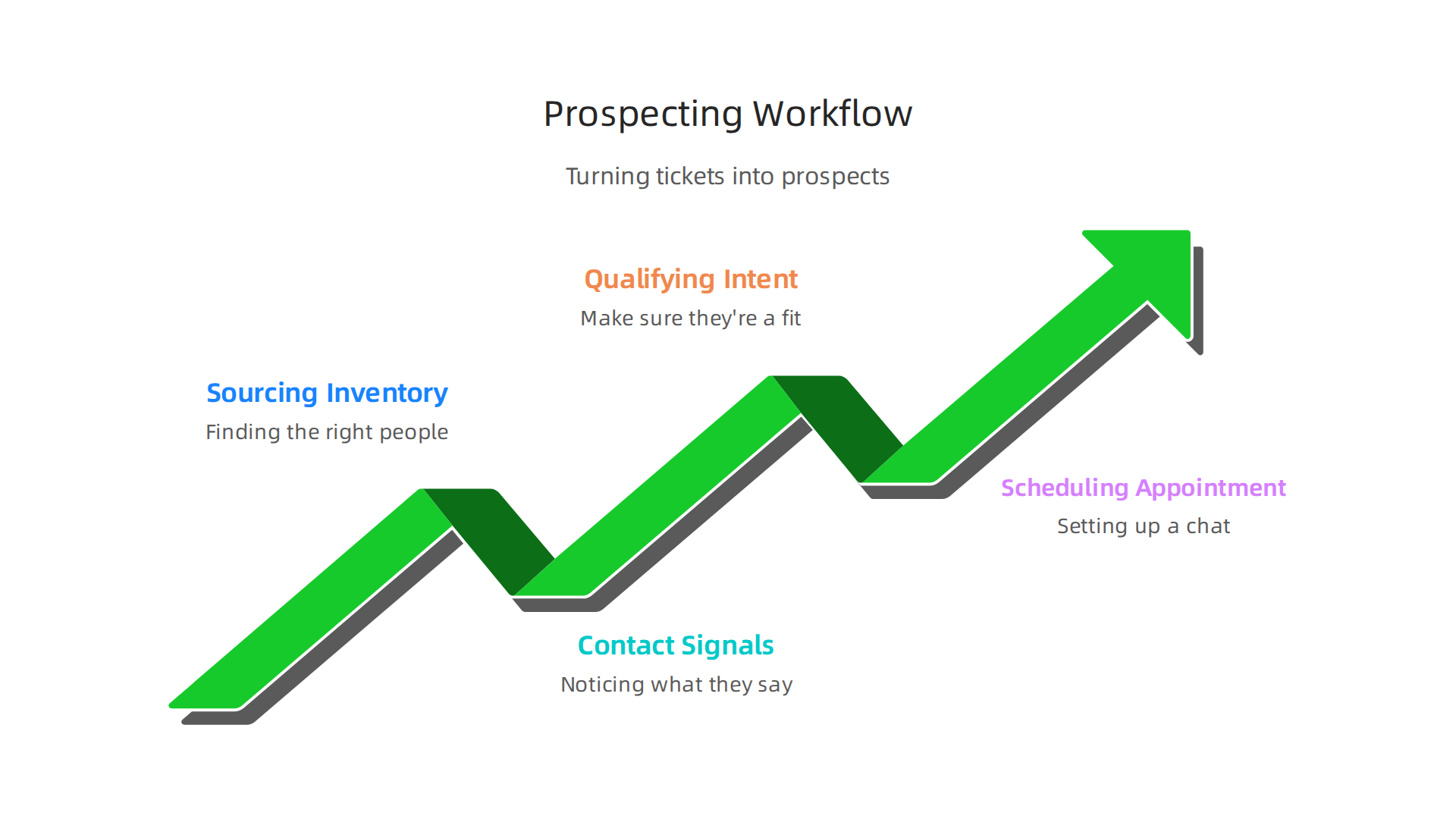
Turning ticket interest into appointments involves a few clear steps: finding the right people, noticing what they say, making sure they’re a good fit, and then setting up a chat.
-
Sourcing Inventory: Finding the Signals
This means keeping an eye out for when those "surprise" tickets appear.- Monitor Official and Resale Sites: Watch team websites and big ticketing platforms. When new batches of
surprise spring training tickets, aphiladelphia eagles ticket, or evensphere experience ticketsare released or suddenly drop in price, that’s your cue. These new tickets are like fresh leads appearing. - Listen to Social Media and Forums: People often talk online about wanting tickets, missing out, or finding a great deal. If someone says, "I really wanted to go to Spring Training, but tickets were too expensive," that’s a hint.
- Monitor Official and Resale Sites: Watch team websites and big ticketing platforms. When new batches of
-
Capturing Contact Signals: What They Tell You
Once you find someone talking about tickets, you need to understand their interest.- Explicit Requests: Are they asking, "Where can I find an
nfl sunday ticket pricefor this weekend?" or "Any last-minutesphere experience tickets?" These are direct signals of interest. - Expressed Frustration or Joy: Someone unhappy about missing out or excited about a new ticket release shows strong feelings, which can mean they’re ready to act.
- Explicit Requests: Are they asking, "Where can I find an
-
Qualifying Intent: Are They the Right Fit?
Not everyone looking for tickets is a good prospect for your services. You need to see if their ticket interest connects to a deeper need your service can solve.- For example, if you help clients with travel planning, someone desperate for
surprise spring training ticketsmight also need help with hotels and flights. - If you work for a company that offers exclusive event access, anyone searching for rare tickets is a potential match. This step is about figuring out if their needs go beyond just the ticket itself. Good appointment setting focuses on finding qualified leads [default.com].
- For example, if you help clients with travel planning, someone desperate for
-
Scheduling an Appointment: Making the Connection
When you find a qualified person, it’s time to reach out. The goal is a short, helpful conversation.- Offer value related to their ticket interest first. Maybe share a tip on where to find specific tickets or a better
nfl sunday ticket price. - Then, gently introduce how your service could help them with their broader needs, like planning future experiences. Remote appointment setters often aim to book calls with high show-up rates, sometimes using tools like Calendly for scheduling [superhumanprospecting.com, youtube.com].
- Offer value related to their ticket interest first. Maybe share a tip on where to find specific tickets or a better
Outreach Triggers and How to Prioritize Them
Think about what makes someone act fast. These are your best outreach triggers:
- Price Drops: A person who held back due to cost might be ready to buy now. This is a strong signal for immediate outreach.
- New Ticket Allocations: When "surprise" tickets suddenly become available, people who thought they missed out will be very keen.
- Gated Waitlist Access: If you know someone was on a waitlist and tickets just opened up, that’s a perfect, timely reason to connect.
Always prioritize triggers that show clear, urgent interest. Someone trying to figure out the nfl sunday ticket price for a game this weekend is likely more motivated than someone idly browsing for surprise spring training tickets next year.
Using CRMs and Automation
To manage all this, especially in 2026, you’ll want some tools.
- CRM (Customer Relationship Management): A CRM helps you keep track of everyone you talk to.

You can log details like what tickets they were interested in (was it a philadelphia eagles ticket or something else?), when you last contacted them, and what their needs are. This helps you build a picture of each potential client [addtocrm.com].
- Automation for Follow-Ups: These tools can automatically send emails or messages at certain times, like after you’ve made first contact. This is called a "sales cadence" or "outreach cadence" [martal.ca]. Using sales cadence tools can automate your outreach across email, phone, and social channels, ensuring you follow up without forgetting [pipeline.zoominfo.com]. Logging these activities directly in your CRM is a best practice for sales teams today [marketbetter.ai].
By using these workflows, you can turn fleeting interest in surprise spring training tickets or other event opportunities into solid appointments, helping people solve their deeper problems. For more practical advice on building a successful career in this field, check out our guide on how to become a remote appointment setter in 2026.
Getting someone’s attention after they show interest in something like surprise spring training tickets needs smart messages and a good plan. It’s not just about sending one email. It’s about a series of touches, called an outreach cadence, that happens over different days and through different ways of talking. In 2026, using a mix of channels is key to reaching people where they are.
Crafting Your Outreach Messages
Your messages should be short, clear, and focused on helping. Think about where you’re sending them:
-
Short Messages (SMS, Social DMs): These are best for quick, friendly hellos. Use them for immediate opportunities.
- Example 1 (Urgency for a specific ticket): "Hi [Name], saw you were looking for
philadelphia eagles ticket! A new batch just dropped on [Platform]. Thought you’d want to know quickly!" - Example 2 (Value for a broad search): "Hey! Noticed your search for
surprise spring training tickets. If you’re trying to plan trips around big games, I often help people find the best travel options. Any chance you’d be open to a quick chat?"
- Example 1 (Urgency for a specific ticket): "Hi [Name], saw you were looking for
-
Medium Messages (Short Emails): These give you a bit more space to explain. Link their ticket interest to your bigger service.
- Example: "Subject: Found your
NFL Sunday Ticket pricesearch! Hi [Name], I saw you were looking into theNFL Sunday Ticket pricefor this season. Finding the right package can be tricky, especially with different options out there. Many of my clients who love sports also want help planning their whole event experience, not just the tickets. Would you be open to a quick 15-minute call to see if I could save you time and stress on planning your next big game or trip?"
- Example: "Subject: Found your
-
Long Messages (Detailed Emails, Social Posts): Use these when you want to offer more value or share a helpful resource. They’re good for later in your outreach if the person hasn’t responded yet.
- Example: "Subject: Tips for your next
Sphere experience ticketsadventure! Hi [Name], I noticed you were interested insphere experience tickets! What an amazing event. Sometimes getting tickets is just the first step. Are you also thinking about hotels, getting there, or other cool things to do while you’re there? I help people plan all these details so they can just enjoy the experience. I even put together a small guide on making the most of a Vegas trip around a big event like the Sphere. Would you like me to send it over? Perhaps we could chat for 20 minutes to see how I could help with your upcoming plans."
- Example: "Subject: Tips for your next
Remember, when talking about tickets, especially resales, it’s good to mention how important it is to find authentic tickets to avoid fakes. In 2026, many platforms work hard to guarantee that tickets are real, protecting buyers and sellers alike [ticketfairy.com].
A Sample 7-Touch Outreach Cadence
A cadence is like a careful dance of messages to help you connect without being pushy. Here’s an idea:
- Day 1 (Urgency Focus): Direct message (SMS/Social DM) about new
surprise spring training ticketsavailability or a price drop. Quick tip. - Day 2 (Value Focus): Email a medium message, connecting their ticket need to a broader problem you solve (e.g., travel planning, event access).
- Day 4 (Engagement): Engage on a social post they made related to tickets or events. Maybe a helpful comment, not a sales pitch.
- Day 5 (Value Focus): Send a slightly longer email with a valuable resource, like a checklist for event travel, even if they’re looking for
NFL Sunday Ticket price. - Day 7 (Direct Ask, if appropriate): If contact info allows, a brief, polite phone call. "Just following up on my email about [event]."
- Day 9 (Reiteration): Email with a different angle, maybe a client success story related to event planning. Reiterate the offer for a quick chat.
- Day 12 (Soft Close): "Breakup" email or message. "I haven’t heard back, so I’ll stop reaching out for now. But if your needs change, my door is always open to help you plan amazing experiences. Wishing you luck with those
philadelphia eagles ticketsearches!"
This mix of urgency for immediate surprise spring training tickets and value-based content for bigger planning helps you connect with different needs. Experts in 2026 say a good outreach plan uses many ways to talk to people, not just one [martal.ca].
Measuring Your Success
How do you know if your outreach is working? You need to look at a few things:
- Response Rate: How many people reply to your messages? A higher number means your messages are interesting.
- Appointment Rate: How many of those replies turn into a booked meeting? This tells you how well you’re turning interest into a real conversation.
- Conversion to Sale: How many appointments actually lead to someone using your service? This is the ultimate goal.
To track all this, using a CRM (Customer Relationship Management) tool is very important. It helps you see every message you sent, every reply you got, and how each person is moving through your sales process [marketbetter.ai]. Logging these activities directly in your CRM is a smart move for modern sales teams [marketbetter.ai].
By tracking these numbers, you can learn what messages work best and make your outreach even better over time.
Ready to build your skills and master these strategies? Learn more about becoming an expert remote appointment setter in our detailed guide on how to become a remote appointment setter in 2026.
Skills, training, and affordable paths to break into remote appointment setting for events
Now that you know how to talk to people and measure your success, let’s look at the skills you need to become a great remote appointment setter, especially for exciting events like finding surprise spring training tickets or a philadelphia eagles ticket. The good news is, you can learn these skills without spending a lot of money.
Important Skills for Event Appointment Setters
To do well in this job, you’ll need a few key skills:
- Handling Questions and Doubts: People will often have questions or reasons why they can’t talk right away. You need to know how to answer their concerns kindly and keep the conversation going. This is called "objection handling."
- Quick Value Pitches: Remember those short messages we talked about? You need to be good at quickly telling someone why your service is helpful. For example, if someone is looking for the
NFL Sunday Ticket price, you could quickly explain how you help find the best deals and save them time. - Using CRM Tools: A CRM (Customer Relationship Management) tool helps you keep track of all your conversations, notes, and appointments. It’s like your digital assistant for managing leads. Modern sales teams use CRMs to log activities and keep everything organized in 2026, making them super important for your success [marketbetter.ai].
- Managing Your Time: Working from home means you need to be good at planning your day and sticking to your schedule.
- Being Honest and Ethical: When dealing with tickets for events like
sphere experience tickets, it’s very important to make sure you’re working with real, trusted sources. People rely on you to help them find authentic experiences, not fake tickets.
Training Options That Won’t Break the Bank
You don’t need a fancy degree to become a remote appointment setter. Many affordable ways exist to learn the ropes:
- Free Online Courses: Many websites and YouTube channels offer free lessons on sales, communication, and appointment setting.

For example, some courses can teach beginners how to make money in high-ticket sales in a short time [youtube.com/watch?v=IjA28IDQXb8]. These are great places to start and get a feel for the job.
- Micro-Certifications: These are small, focused courses that give you a certificate when you finish. They show that you have learned specific skills. They are usually quicker and cheaper than full college courses.
- Employer Training: A lot of companies that hire remote appointment setters will provide their own training. They teach you exactly how they want things done and about the products or services you’ll be setting appointments for. You can often find paid training jobs where companies teach you how to succeed while you earn [indeed.com/q-appointment-setters-paid-training-jobs.html]. This is a popular way to break in.
Building Your Appointment Setting Portfolio
Even if you’re new, you can build a portfolio to show what you can do. This helps you get hired.
- Sample Call Recordings: If you practice with a friend or in a training course, you can record yourself. This shows how you handle calls and questions.
- Outreach Templates: Create your own examples of those short and medium messages for things like
surprise spring training ticketsornfl sunday ticket price. This proves you can write clear, helpful notes. - Measurable Results: If you get any practice appointments or even just positive responses, keep track of them. Showing numbers like "I got 3 people to agree to a chat in my practice session" can be very impressive.
Getting into remote appointment setting for events is a real possibility in 2026. With the right skills and some smart training, you can start helping people find amazing experiences and build a great career from anywhere.
Ready to build your skills and master these strategies? Learn more about becoming an expert remote appointment setter in our detailed guide on how to become a remote appointment setter in 2026.
Avoiding Scams and Vetting Ticket Platforms, Leads, and Opportunity Listings
As a remote appointment setter, especially for events, it’s super important to be smart about who you work with and what tickets you help people find. There are many real chances to help folks get surprise spring training tickets or a philadelphia eagles ticket, but there are also scams out there. Let’s talk about how to stay safe in 2026.
Spotting Red Flags in Job Listings and Ticket Marketplaces
When looking for a job or checking out tickets, watch for these warning signs:
- Job Offers That Are Too Good to Be True: If a job promises huge pay for very little work or asks you to pay money just to start, be careful. Real companies usually don’t ask you to pay them to get hired.
- Vague Company Information: A real company will have a clear website and ways to contact them. If you can’t find much about them online, that’s a red flag.
- Suspicious Ticket Prices: If
nfl sunday ticket priceorsphere experience ticketsare listed for much less than they should be, it could be a fake. Also, beware of sellers who want you to pay outside of the main platform, as this removes your protection. - No Buyer Guarantees: Trusted ticket sites promise that tickets are real and you’ll get your money back if something goes wrong. If a platform doesn’t offer these kinds of promises, steer clear. In fact, many places like Ontario have laws to protect buyers and make sure tickets are authentic [https://www.ontario.ca/page/buying-tickets-events-ontario].
How to Check Tickets, Sellers, and Platforms
Before you help someone with surprise spring training tickets or any other event, do your homework:
- Check the Platform’s Rules: Look for how the platform makes sure tickets are real. Many top platforms have ways to validate tickets to stop fakes or copies [https://www.ticketfairy.com/blog/fan-to-fan-ticket-resale-in-2026-tech-strategies-for-a-fair-secure-secondary-market].

- Read Reviews: See what other people say about the ticket seller or platform.
- Confirm Seller Details: Some laws require sellers to show their name and contact info [https://www.ontario.ca/laws/statute/17t33]. If a seller is hiding who they are, that’s not good.
- Understand Refund Policies: Know what happens if the event is canceled or the tickets don’t work.
- Be Aware of Changing Laws: Governments are working to make ticket reselling fairer. For example, some places are trying to stop huge price increases [https://toronto.citynews.ca/2026/03/20/ontario-concert-tickets-resale-face-value-price-gouging/]. This means some less honest sellers might try to move to less official ways of selling, which can be risky [https://www.timescolonist.com/national-business/ont-ticket-price-cap-hard-to-enforce-could-send-fans-to-informal-markets-experts-12035113]. Always stick to official channels.
Protecting Yourself in Commission-Based Ticket Campaigns
If you’re working a job where you earn money based on the appointments you set, follow these steps to protect yourself:
- Get a Clear Contract: Make sure your agreement with the company is written down. It should explain how you earn money, when you get paid, and what happens if there’s a problem.
- Research the Company: Always look into the company you’re working for. Check their website, social media, and any news about them.
- Be Skeptical of Upfront Costs: A good company typically won’t make you pay for things like leads or training materials if it’s a legitimate job.
Being careful and doing your research helps you build a good name for yourself and keeps you safe. Want to learn even more about setting appointments for great opportunities? Check out our guide on how to become a remote appointment setter to boost your skills and confidence. You can find out more by reading our complete guide on how to become a remote appointment setter in 2026.
Career Progression, Pay Models, and Building a Sustainable Remote Appointment-Setting Business with Events
Once you understand how to spot good opportunities, you can think about how to make more money and grow in your remote appointment-setting career. This is especially true when you’re dealing with exciting event tickets like surprise spring training tickets or a philadelphia eagles ticket. Let’s explore how you can build a strong, lasting business in 2026.
Different Ways to Get Paid as an Appointment Setter
There are a few main ways remote appointment setters earn money. Knowing these helps you pick the best jobs for you:
- Hourly Pay Plus Commission: Many new jobs offer a set amount for each hour you work, plus extra money (commission) for every appointment that leads to a sale. This gives you some steady income while you learn.
- Pure Commission: With this model, you only get paid when your appointments turn into sales. If you’re really good, you can earn a lot, but there’s no guaranteed hourly wage. This can be great for selling high-demand tickets where the
nfl sunday ticket pricemight be higher but easier to move. - Retainer Plus Performance Bonus: Some clients might pay you a fixed amount each month (a retainer) to make sure you’re available. On top of that, you’ll get bonuses for hitting certain goals or making a certain number of sales.
- Freelance Project Work: You can work for yourself, taking on different projects from various clients. You might get paid a flat fee for a project or for a set number of appointments. This is common when you partner directly with event companies or ticket sellers for specific campaigns, like helping people find
sphere experience tickets.
How to Grow from Junior to a Top Setter
Starting as a junior setter is just the beginning. You can grow your skills and career quite a bit:
- Learn and Train: Take advantage of any training offered by your employer. There are also many free and low-cost online courses available that teach you how to master lead generation and outreach strategies [https://www.youtube.com/watch?v=IjA28IDQXb8]. These programs can help you equip yourself with the skills to earn a significant income working remotely [https://www.dialacloser.com/learn/remote-appointment-setter-training-earn-5k-per-month-working-from-anywhere].
- Gain Experience: The more appointments you set, the better you become at talking to people and understanding their needs. You’ll learn the best ways to connect someone looking for a
sunday ticket free trialwith the right offer. - Take on More: As you get better, you might get to lead a small team or handle bigger accounts. Maybe you’ll manage campaigns for all the
surprise spring training ticketsfor a popular team, which can be less expensive than regular season games [https://seatgeek.com/spring-training-tickets]. - Become Independent: Eventually, you could work for yourself, choosing your own clients and projects. This lets you build your own business, partnering with different event organizers or ticket brokers.
Building Trust with Employers and Clients
For a lasting career, trust is key. Here’s how to show clients you’re reliable:
- Show Your Results: Keep good records of your work. How many appointments did you set? How many led to a sale? Sharing these numbers proves you’re effective.
- Get Good Feedback: Ask happy clients or managers to write reviews or be references for you.
- Be Open and Honest: Always be clear about your work and your progress. Good communication builds strong relationships.
By focusing on these areas, you can turn remote appointment setting into a fulfilling and growing career. Ready to take the next step in becoming a high-earning remote appointment setter?
Discover more ways to boost your income and build your business by exploring our guide on how to make money online in 2026.
Summary
This article explains how the lifecycle of event tickets — especially surprise spring training allocations — creates reliable outreach signals that remote appointment setters can use to find motivated prospects. It walks through where tickets appear (official releases, surprise allocations, resale, last-minute availability), how to source and qualify leads, and practical prospecting workflows that turn ticket interest into booked conversations. You’ll learn outreach templates, a sample 7-touch cadence, and which triggers to prioritize (price drops, waitlist openings, new allocations). The guide also covers the tools and metrics (CRMs, automation, response and appointment rates) you need to scale, the core skills and affordable training options to get started, and clear steps to vet platforms and avoid scams. Finally, it outlines pay models and career paths so you can build a sustainable remote appointment-setting business focused on events.
