How Small Business Policy Makes You a Better Remote Appointment Setter

Introduction: Turning Public Policy into Personal Opportunity
Remote appointment setting is booming in 2026. More people than ever are building successful careers from home, connecting businesses with new clients. But if you’re in this field, you might feel a bit disconnected. The daily grind of leads and calls can seem worlds away from the big conversations about the economy, policy, and support for small businesses.
Here’s the thing. That gap between your home office and the halls of power is an illusion.

The policies debated and passed in Washington directly shape the business landscape you work in every day. And one group in particular holds the keys to understanding that landscape: the Committee on Small Business and Entrepreneurship.
So, what does this committee do? In simple terms, it’s a dedicated group in the U.S. Senate whose main job is to be the voice for small businesses. Its official jurisdiction covers all proposed legislation and issues related to American small businesses.
This means they work on everything from access to startup loans and federal contracts to creating training programs and cutting red tape. Their goal, as noted in historical overviews, is to ensure small businesses have the capital, education, and opportunities they need to thrive, which is vital for the entire economy.
Why should you, a remote sales professional, care? Because the businesses you call on are often the very ones this committee fights for. Understanding their work unlocks a new layer of insight. It helps you comprehend the challenges your prospects face, the resources they might be using (like Small Business Administration programs), and the broader economic trends that affect their buying decisions.
This guide is your bridge. We’re connecting high-level advocacy to your practical world. We’ll translate the work of the Committee on Small Business and Entrepreneurship into actionable knowledge for your career. You’ll learn how their focus on small business certification programs or tools like the SBA Dynamic Small Business Search can help you identify and qualify better leads. This isn’t about politics. It’s about professional savvy turning public policy into personal opportunity.
Whether you’re a job seeker looking for your first remote role, a career switcher entering sales, or a seasoned pro aiming for an edge, this knowledge adds legitimacy and depth to your work. It moves you from just making calls to understanding the ecosystem you’re calling within. Ready to build that foundation? A great next step is learning how to become a remote appointment setter in 2026, where you can start applying this broader context to your own career path.
Demystifying the Committee: What It Does and Why Remote Sellers Should Care
Think of the Committee on Small Business and Entrepreneurship as a powerful advocate. Its official job, as outlined in its jurisdiction, is to handle all proposed laws and matters related to America’s small businesses. In practice, this means they work to ensure these businesses get the money, knowledge, and chances they need to succeed.
Historically, the committee’s core mission has been to advocate for small businesses by ensuring they have access to capital, education, and opportunities. This advocacy directly shapes three key areas that affect the businesses you call every day.
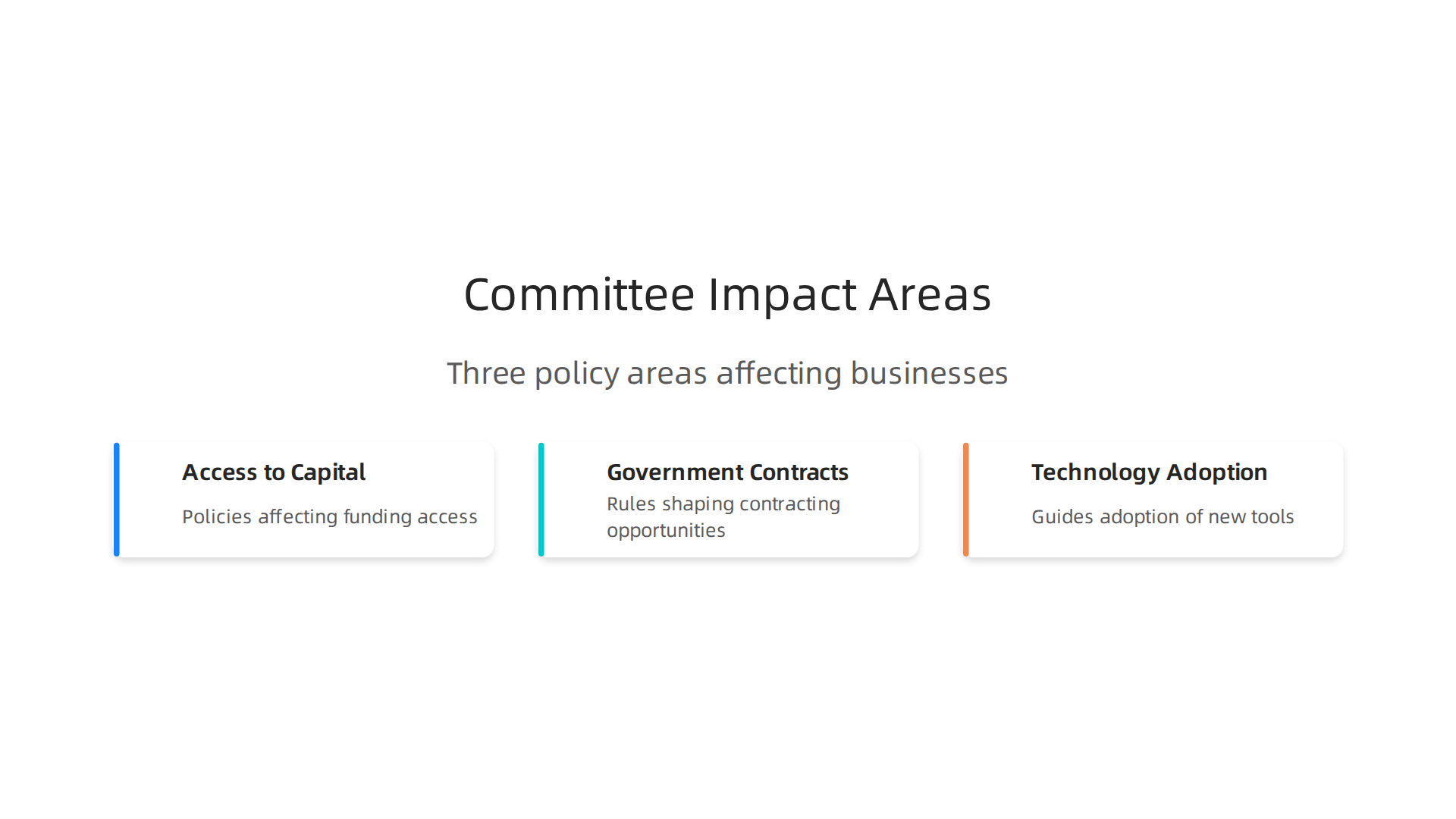
- Access to Capital: The committee works on laws about loans and funding. When it’s easier for a small business to get a loan, that business can grow, hire, and invest in new services. This is a direct result of the committee’s focus on ensuring small businesses have the financial resources they need to thrive.
- Winning Government Contracts: They push for programs that help small businesses compete for federal contracts. A business that wins a big contract suddenly has more budget and more complex needs.
- Adopting New Technology: In 2026, the committee focuses on helping businesses go digital. This includes support for cybersecurity tools, e-commerce platforms, and remote work infrastructure.
Here’s the direct link to your work as a remote appointment setter. When policies help a small business get a loan, win a contract, or upgrade its tech, that business grows. A growing business needs more help. It needs marketing, sales support, and administrative services. Often, it’s more efficient for them to outsource that work rather than hire a full-time team.
That’s where you come in. The increased demand for outsourced services like professional appointment setting is fueled by these policy-driven growth spurts. You are not just calling random businesses. You are connecting with companies that are actively scaling, often with the support of systems the committee helps shape.
Furthermore, the committee’s focus on workforce development is a goldmine for your own skill-building. Their initiatives often highlight resources for independent contractors—people just like you. By following their work on issues like digital adoption, you can discover new tools, training programs, and best practices for operating a modern, efficient remote sales business.
Understanding this committee moves you from a simple caller to a strategic partner. You can speak knowingly about the challenges of accessing capital or the value of small business certification. You can use tools like the SBA Dynamic Small Business Search to find companies actively engaged with federal resources. This knowledge builds instant credibility and shows you understand the real-world ecosystem your prospects navigate.
Ready to turn this understanding into action? The first step is building the foundational skills to thrive in this very landscape. Our guide on how to become a remote appointment setter in 2026 is the perfect place to start applying this big-picture context to your own career path.
The 2026 Small Business Landscape: Data-Driven Insights for Appointment Setters
So, the Committee on Small Business and Entrepreneurship works to create a better environment for small companies. But what does that environment actually look like right now? Understanding the current data is like having a map. It shows you where the opportunities are and how to navigate them.
Let’s look at the numbers that define your playing field in 2026.
Small Business Health and Hurdles
The good news first. In 2026, most small businesses are feeling confident. A recent report shows that 69% of small businesses report strong overall health, and 73% feel comfortable with their cash flow. This is a solid foundation for growth.
But growth always comes with challenges. The Small Business Administration itself faces ongoing hurdles in supporting these businesses effectively. A key oversight report lists the top management and performance challenges facing the SBA in 2026. These include ensuring program integrity and effectively delivering aid. For you, this means the business owners you call are navigating a system that, while supportive, can be complex. They value partners who understand these complexities.
The Outsourcing Trend You Can Ride
This is where a major trend kicks in. Healthy businesses with growth goals often hit a capacity wall. They need to generate more leads and sales, but hiring a full in-house team is expensive and slow. The solution? Outsourcing.
Businesses are increasingly turning to remote experts for sales and marketing functions. This trend is fueled by the need for flexibility and specialized skills. When a company wins a grant or a loan, often facilitated by policies the committee champions, they have new budgets to invest. They frequently invest in growth services first. Your service as a remote appointment setter fits directly into this gap.
Where to Focus Your Efforts (Data-Driven Targeting)
Not all small businesses are equally good prospects. Use data to be strategic. Here’s where to point your efforts:
- Focus on Growing Industries: Look at regional reports, like the comprehensive Texas Small Business Report, which highlights thriving sectors. In 2026, technology services, healthcare support, and sustainable goods are often standout areas. Businesses in growing fields are more likely to invest in sales expansion.
- Target the "Sweet Spot" in Size: Very small businesses (1-2 employees) may not have the budget. Large small businesses (50+ employees) might have an in-house team. The prime target is often businesses with 5-20 employees. They are established enough to have consistent revenue but are still agile enough to outsource key functions like lead generation.
- Look for Signs of Engagement: A business that is actively seeking small business certification or is listed in tools like the SBA Dynamic Small Business Search is proactively engaging with growth resources. They are in a mindset to invest in their future, making them warmer leads for your services.
By combining an understanding of committee-shaped policy with these real-world data points, you stop making random calls. You start making strategic connections.

You’re not just a caller. You’re a growth partner who understands the 2026 landscape.
Ready to learn the skills needed to succeed in this exact environment? Build your foundation with our complete guide on how to become a remote appointment setter in 2026.
From Committee Reports to Your Toolkit: Actionable Resources for Skill Development
Knowing the landscape is step one. Now, how do you build the skills to succeed in it? Here’s a powerful truth. The work of the Committee on Small Business and Entrepreneurship doesn’t just shape policy. It directly funds and supports a national network of free training and mentorship for small businesses. And as someone providing a service to those businesses, these resources are your secret weapon for skill development.
Think of it this way. You want to serve business owners effectively. What better way to understand their needs than to learn from the same experts who advise them? The Small Business Administration partners with local organizations to provide this education. By tapping into these programs, you gain insider knowledge at no cost.
Your Local Classroom: Small Business Development Center (SBDC) Workshops
Across the country, nearly 1,000 local Small Business Development Centers offer workshops and one-on-one counseling. These centers are a core resource partner for the SBA. For you, they are a goldmine for practical, sales-focused learning.
SBDCs provide counseling and training to small businesses, including developing informational tools. Their workshops are often free or very low cost. They cover exactly the topics you need to master.
What you can learn at an SBDC workshop:
- Effective Sales Techniques: Learn how to communicate value, not just features.
- Digital Marketing & Lead Generation: Understand how your clients find customers online.
- CRM Software Basics: Get comfortable with tools like Salesforce or HubSpot, which many businesses use.
- Business Financials: Learn to speak confidently about ROI and budgeting with potential clients.
Finding a workshop is easy. Search "SBDC" along with your city or state. You’ll find calendars of upcoming events. For example, local centers regularly list FREE or low-cost training covering a variety of small business topics, including sales and marketing. Attending these sessions does two things. It boosts your skills, and it puts you in a virtual room with business owners your ideal clients.
Your Personal Advisory Board: SCORE Mentorship
While SBDCs offer fantastic training, SCORE provides the mentorship. SCORE is a network of thousands of volunteer business experts, many of them retired executives and entrepreneurs. It’s another resource partner supported by the SBA.
For an appointment setter, a SCORE mentor is invaluable. You can be matched with a mentor who has decades of sales and marketing experience. You can practice your pitch with them. They can help you refine your service offering, set your rates, and understand the common objections small business owners have.
This is not theoretical advice. It’s direct feedback from someone who has been in the trenches. They can help you see your service from the business owner’s perspective, making your outreach more effective and empathetic.
How to Turn Resources into Results
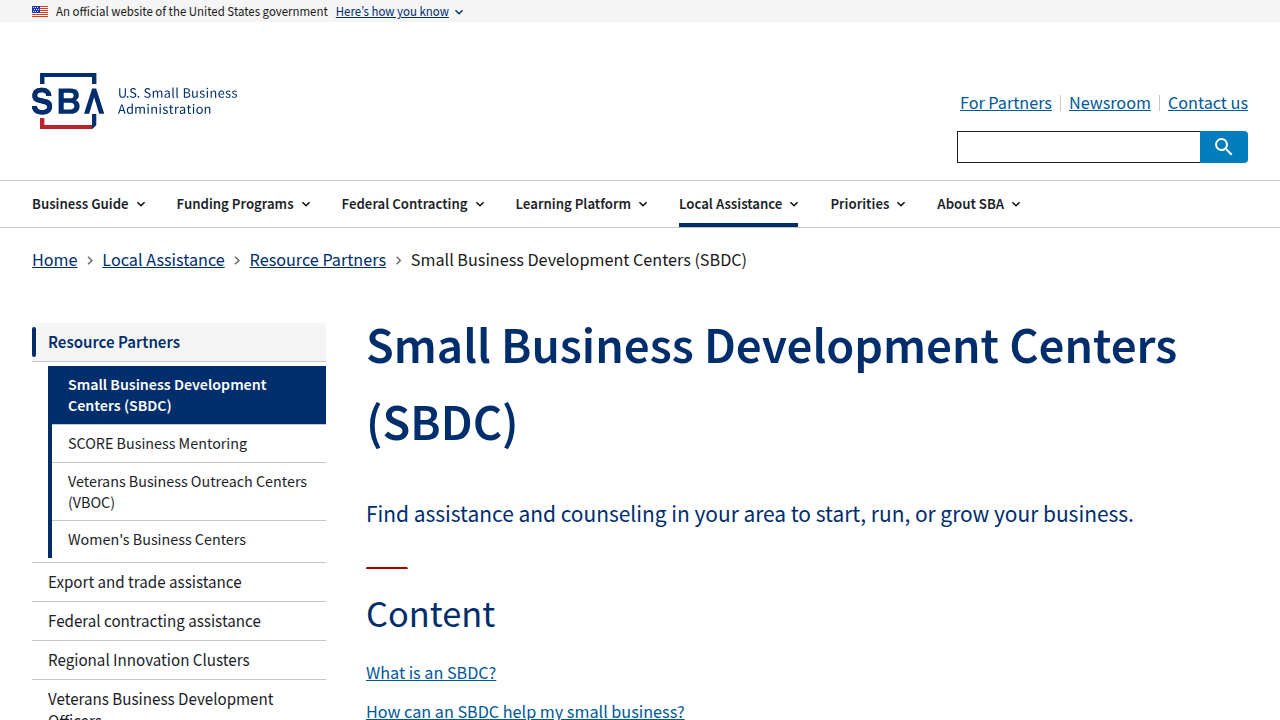
- Find Your Local SBDC: Visit the SBA’s resource finder to locate your nearest center and view its workshop calendar.
- Sign Up for a Relevant Workshop: Look for titles about "B2B Sales," "Marketing on a Budget," or "CRM Efficiency." Attend with the goal of learning the client’s mindset.
- Request a SCORE Mentor: On the SCORE website, you can request a mentor for free. Be specific. Say you are starting a remote appointment setting service and want guidance on sales strategy and business development.
- Apply and Adapt: Take the small business strategies you learn and adapt them to your small business the service you provide. This alignment makes you a more knowledgeable and credible partner.
By using the very tools the committee helps fund, you do more than just learn. You demonstrate a deep, practical understanding of the small business world. You stop just asking for an appointment. You start offering informed consultation from the first call.
Ready to build your own remote appointment setting business with this strategic approach? Let’s map out your entire path, from skill-building to landing your first client. Start with our foundational guide on how to become a remote appointment setter in 2026.
Navigating Legitimacy: Using Advocacy to Vet Opportunities and Avoid Scams
You’ve built your skills using powerful, free resources. Now comes the next big challenge. Finding real clients and legitimate job postings. The remote work world is full of amazing opportunities. Sadly, it’s also full of traps.
Here’s a key insight. The principles championed by the Committee on Small Business and Entrepreneurship and the Small Business Administration aren’t just for policy. They give you a clear framework to separate real opportunities from scams. Think like an advocate for ethical business. It will protect you.
Let’s use that framework. A legitimate business operates with transparency, fair payment, and respect. A scam does the opposite. By knowing the red flags, you protect your time, your effort, and your personal information.
Red Flags That Scream "Scam"
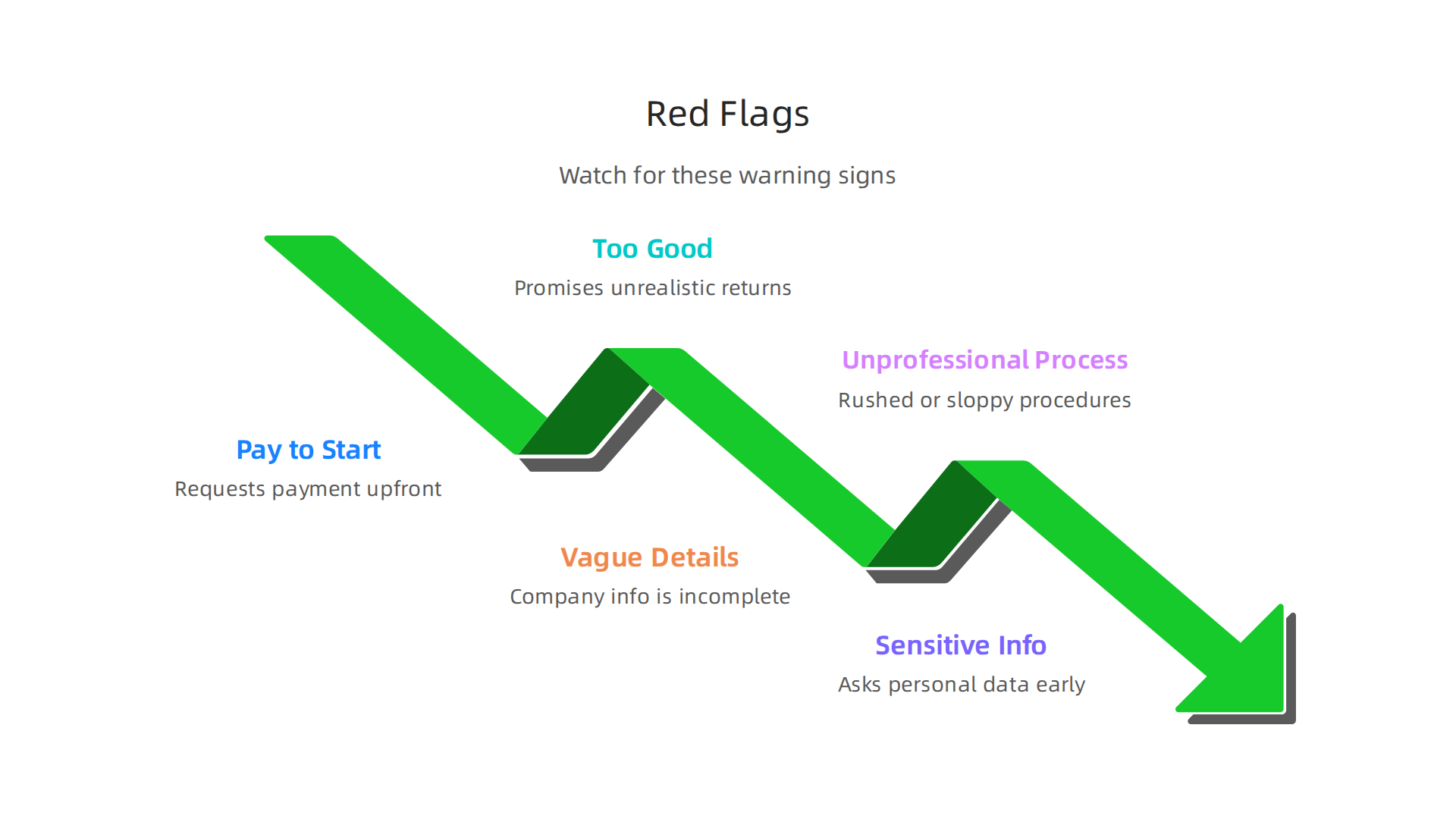
Watch for these warning signs. They directly conflict with the ethical standards promoted by small business advocacy groups.
-
You Have to Pay to Get Started. This is the biggest red flag. Legitimate businesses invest in their team, not the other way around. As security experts warn, any request for money upfront for "training," "software," or "starter kits" is a major warning sign. The rule is simple. You should never pay for a job.
-
The Offer Seems Too Good to Be True. Extreme pay for little work, guaranteed riches with no experience. Real appointment setting is a skilled profession with competitive, performance-based pay. Outrageous promises are a classic scam tactic.
-
Vague or No Company Details. A real business has a name, a website, and a history. If the posting is from "A Fast-Growing Startup" with no other info, be wary. Scammers often use fake company names or impersonate real ones.
-
Poor Communication and Unprofessional Process. Look for bad grammar, pressure to act immediately, or interviews conducted only over text or chat apps like Telegram. A real hiring process for a professional role will be professional.
-
Requests for Sensitive Info Early On. Be very careful if they ask for your Social Security Number, bank details, or copies of personal documents before a formal job offer. As the Better Business Bureau notes, fake job postings are a top method for phishing and identity theft scams in 2026.
The numbers back up the need for caution. In 2026, a significant 33% of job seekers report encountering employment-related scams or suspicious postings. Your vigilance is your best defense.
Your Research Toolkit: Public Databases and Advocacy Insights
Before you apply or agree to work with a client, do your homework. Use the tools that promote business transparency.
- The SBA Dynamic Small Business Search: This is a powerful, free database. If a company claims to be a small business, you can search for it here. It won’t list every single business, but finding a company here adds a layer of legitimacy. It shows they are engaged with the federal ecosystem.
- The Better Business Bureau (BBB): Check the company’s BBB profile. Look for its rating, how long it’s been accredited, and read any customer reviews or complaints. It’s a trusted source for understanding a business’s reputation.
- State Business Filings: Every state has a website, usually the Secretary of State’s office, where you can search for a business’s official registration. This confirms the business legally exists.
Your Action Plan for Safe Searching
- Spot the Red Flag. Review any job posting or client offer against the list above. If one red flag appears, pause. If two or more appear, walk away.
- Research the Entity. Take the company name and search it in the SBA database, the BBB website, and your state’s business registry. A complete lack of an online presence is its own red flag.
- Trust Your Gut. If something feels "off" during an interview or communication, it probably is. A legitimate business owner will respect professional boundaries and clear communication.
- Ask Specific Questions. Ask about the sales process, the CRM they use, how leads are provided, and the commission structure. Scammers won’t have good, detailed answers.
By applying the ethical standards of small business advocacy, you do more than find work. You build your career on a foundation of trust and professional integrity. You avoid the pitfalls that waste your most valuable asset, your time.
Now that you can spot a real opportunity, you’re ready to find one. The next step is knowing where to look and how to present yourself. For a complete roadmap, from avoiding scams to landing your first client, continue with our foundational guide on how to become a remote appointment setter in 2026.
Building Your Own Micro-Business: The Appointment Setter as Entrepreneur
You have learned to spot a real opportunity. The next step is to claim it, not just as a worker, but as the owner of your own micro-business. This shift in mindset is powerful. It turns you from someone looking for a job into someone building an asset. The principles supported by the Committee on Small Business and Entrepreneurship are not just for big companies. They are a blueprint for you, the solo entrepreneur.
Think about it. When you work as an independent contractor or sole proprietor, you are a business of one. You provide a valuable service, appointment setting, to other businesses. Framing it this way unlocks resources, respect, and long-term growth. Let’s build your business foundation, step by step.
Step 1: The Legal Setup
First, you need to make it official. This sounds complex, but it can be simple.
- Choose Your Business Structure: For most starting out, operating as a sole proprietor is the easiest path. You can use your own name or register a "Doing Business As" (DBA) name, like "Smith Appointment Services." This requires minimal paperwork, often just a form with your county or state.
- Get an EIN: An Employer Identification Number (EIN) is like a Social Security Number for your business. You get it for free from the IRS website. Use it on contracts and tax forms instead of your personal SSN for better privacy.
- Open a Business Bank Account: Keep your business income and expenses separate from your personal money. This is crucial for clean record-keeping and looks professional to clients.
Step 2: Tap Into Committee-Backed Resources for Training and Funding
You are not alone. The Small Business Administration and its nationwide network of Small Business Development Centers (SBDCs) exist to help entrepreneurs exactly like you. They are a key resource championed by advocacy for small business growth.
SBDCs offer free or very low-cost counseling and training. A local SBDC advisor can help you:
- Review your service contracts.
- Understand basic bookkeeping.
- Develop a simple business plan.
- Learn about small business certification programs that can help you land contracts with larger companies or government agencies.
Looking for funding to cover a new laptop, software, or marketing? SBDCs can guide you. They provide "assistance with current funding" opportunities and referrals. This might include microloans or specific grants for which a home-based service business could qualify. You can find workshops and one-on-one advising through your local Small Business Development Center.
Many centers offer specific workshops to get you started fast. For example, you might find a "Starting Your Business in a Day" workshop that covers legal essentials and planning, or regular webinars on key skills for small business success. This is exactly the kind of support system the committee’s work aims to strengthen.
Step 3: Master Compliance and Record-Keeping
This is the part most new entrepreneurs dread, but it’s your shield. Good systems keep you out of trouble and make tax time simple.
- Track Everything: For a commission-based business, this is non-negotiable. Use a simple spreadsheet or an app to record every appointment set, the associated commission, the client who paid it, and the payment date.
- Save Your Receipts: Did you buy a headset? Pay for a website domain? Subscribe to a CRM tool? Those are business expenses. Save digital or physical receipts. They reduce your taxable income.
- Understand Your Taxes: As a sole proprietor, you will pay self-employment tax (which covers Social Security and Medicare) and income tax. A good practice is to set aside 25-30% of every payment you receive in a separate savings account for taxes. You will file your business income and expenses on Schedule C with your personal tax return (Form 1040). Consider talking to a tax professional once a year, at least at the beginning.
- Stay Compliant: Make sure you understand any local business license requirements. Keep your DBA filing current if you have one. This is where checking your state’s business website, just like you did to vet clients, is important for your own operation.
Building your micro-business is the ultimate form of career security. You are building a repeatable process, a professional reputation, and a resilient income stream. You move from hoping for a good client to strategically selecting them.
For a complete walkthrough that takes you from your first skill to running your own business, use our foundational guide on how to become a remote appointment setter in 2026. It connects all the dots, from training to your first contract.
The Future of Work: Committee Insights on Remote Entrepreneurship and Policy Trends
You have built your micro-business foundation. What comes next? The landscape of remote work and entrepreneurship is not static. It is shaped by economic trends, technological shifts, and, crucially, government policy. The work of bodies like the Committee on Small Business and Entrepreneurship directly influences the environment in which you operate. Looking ahead, understanding these forces is key to future-proofing your career.
A Strong Foundation: The Current State of Small Business
First, the good news. The backdrop for solo entrepreneurs is robust. As of 2026, data shows that small businesses are in a strong position. A recent report indicated that 69% of small businesses report strong overall health, with 73% feeling comfortable with their cash flow. This confidence is the soil in which remote service providers like you can thrive. Support systems like Small Business Development Centers (SBDCs) continue to prove their value, with studies projecting positive economic impacts from their assistance well into the future. The core message from policymakers is clear: small businesses are crucial to a healthy economy. Your success as an appointment setter aligns with this national priority.
The Policy Shift to Watch: Independent Contractor Classification
The most significant policy trend affecting remote appointment setters in 2026 revolves around the definition of an independent contractor. For years, this classification has been a legal gray area, causing uncertainty for freelancers and the businesses that hire them. A major change is underway.
The U.S. Department of Labor (DOL) has proposed a new rule that aims to bring greater clarity. Unlike previous versions that created confusion, the 2026 proposal seeks to solidify the distinction between an employee and an independent contractor. Legal analyses of the rule highlight that it is designed to protect the “entrepreneurial spirit” of contractors. For you, this means your status as a business-of-one is more likely to be recognized and protected under federal law.
What does this mean for your appointment setting business?
- Clarity in Contracts: The proposed rule emphasizes factors like whether the work is an integral part of the client’s business (you likely are not) and the degree of control you have over your work. This makes it easier for you and your clients to structure clear, compliant service agreements.
- Preservation of Flexibility: The rule reinforces your right to work with multiple clients, set your own schedule, and use your own methods. This is the essence of the remote entrepreneurship model you’re building.
- Reduced Risk for Clients: With clearer guidelines, legitimate businesses may feel more confident in hiring independent contractors like you, potentially opening up more opportunities.
This regulatory move acknowledges a fundamental shift: independent professionals are now a central pillar of the modern workforce. As one 2026 analysis put it, they are "a defining feature of the future of work." Your career path is riding this wave.
How to Future-Proof Your Remote Appointment Setting Business
Policy trends create the playing field, but your actions determine your success. Based on these insights, here is how you can build a resilient business for the years ahead.
- Double Down on Your Business Identity. Operate unmistakably as an independent business. Use clear contracts, invoice professionally, maintain your separate business bank account, and market your services to multiple clients. This strengthens your position under any classification test.
- Invest in High-Value Skills. Technology and client expectations will evolve. Move beyond basic dialing. Learn about AI-powered sales tools, master new CRM platforms, and develop advanced qualification techniques. The OECD’s 2026 report on financing SMEs and entrepreneurs notes that adaptability is key for growth. Consider training that offers a small business certification in sales or entrepreneurship to bolster your credibility.
- Diversify Your Client Portfolio. Relying on a single client is risky, both financially and from a classification standpoint. Build a roster of several clients in different industries. This not only stabilizes your income but also clearly demonstrates your independent business model. Use tools like the SBA Dynamic Small Business Search to identify potential clients who actively seek small business vendors.
- Stay Informed and Agile. Policy is not set in stone. The comment period for the new DOL rule extended into 2026, and adjustments are always possible. Follow trusted business news and resources from the Small Business Administration. Agility is your greatest asset.
The future of work is not something that happens to you. As a remote entrepreneur, you are actively shaping it. By building a legitimate, skilled, and flexible micro-business, you align yourself with the strongest currents in the modern economy. The goal is not just to adapt to change, but to thrive because of it.
To build this future from the ground up, start with a solid foundation. Our complete guide on how to become a remote appointment setter in 2026 walks you through every step, from developing the right skills to landing your first client contract in this new environment.
Your Action Plan: Integrating Advocacy Insights into Your Career Strategy
You know the landscape. You understand the policy trends. Now, how do you turn those insights into daily actions that grow your business? Information is power only when you use it. Here is your practical plan to connect with the support system championed by the Committee on Small Business and Entrepreneurship and build a more legitimate, resilient career.
Your One-Week Local Resource Sprint
This week, focus on connecting with the most direct support available: your local Small Business Development Center (SBDC). These centers are funded in part by the Small Business Administration and provide free or low-cost expert advising. Here is your sprint.
- Day 1-2: Find Your Center. Use the official SBA SBDC locator tool to find your nearest center. Browse their website and note their advisor specialties.
- Day 3: Explore Workshops. Check their calendar for upcoming online or in-person events. As of 2026, SBDCs nationwide offer training on everything from digital marketing to financial planning. For example, many list upcoming workshops for topics like strategic planning and marketing. Sign up for one that fits your needs.
- Day 4-5: Prepare for a Consultation. Before you request a one-on-one meeting, prepare. Write down your specific questions. Examples: "How can I structure my service contracts to clearly define my independent contractor status?" or "What local networking groups are best for connecting with potential clients?"
- Day 6-7: Schedule and Attend. Reach out via their website or phone to schedule a free advising session. Attending even a single workshop or consultation can provide clarity and resources you won’t find on your own.
Your Client Opportunity Evaluation Checklist
Before you say "yes" to a new remote sales opportunity, vet it against these advocacy-backed principles. A legitimate business aligns with these standards.
The Legitimacy Checklist:
- Clear Contract: Does the offer include a written agreement that specifies scope, pay, and your status as an independent contractor?
- Professional Onboarding: Is there a structured process for training on their systems and products, similar to the guidance offered in professional development workshops?
- Transparent Pay Structure: Is the commission schedule or hourly rate clearly defined and documented?
- Business Tools: Do they provide access to necessary software (like a CRM), or is there an allowance for you to use your own?
- Reputation Check: Have you searched for the company name alongside terms like "reviews" or "complaints" on the Better Business Bureau website and other forums?

If an opportunity misses more than one of these points, proceed with caution. Your goal is to partner with businesses that treat you like the professional you are.
Establish Your Quarterly Policy Review Habit
Policy and programs evolve. A simple, recurring habit keeps you informed without becoming overwhelming.
- Set a Calendar Reminder: Block 90 minutes every three months (e.g., the first Monday of January, April, July, October).
- Visit Key Hubs: In that time, visit two websites:
- The Small Business Administration newsroom page for press releases on new rules or funding.
- The website for America’s SBDC to check for new resource guides or program announcements.
- Search for "Small Business Certification": Programs change. A quick search can reveal new certifications in sales operations or digital marketing that could boost your credibility with clients.
- Update Your Files: If you find a relevant new guide or program, download it and save it to a "Business Growth Resources" folder. Adjust your strategies if needed.
This habit transforms you from a passive observer into an active participant in your business environment. You stop wondering about changes and start anticipating them.
Building a sustainable remote career is about more than just making calls. It is about building a real business. By actively engaging with the ecosystem of support, carefully choosing your partnerships, and staying informed, you solidify your foundation. For a detailed walkthrough on launching this career path with the right first steps, from skill development to securing that first client, explore our complete guide on how to become a remote appointment setter in 2026.
Summary
This article connects the work of the U.S. Senate Committee on Small Business and Entrepreneurship to practical opportunities for remote appointment setters in 2026. It explains how committee-driven programs and SBA resources influence small-business growth, create outsourcing demand, and offer free training and mentorship that appointment setters can use to gain credibility. The guide shows how to use data—industry trends, company size, and tools like the SBA Dynamic Small Business Search—to target better leads, and it offers a clear checklist for spotting scams and vetting clients. You’ll also get a step-by-step roadmap to formalize your micro-business (legal setup, EIN, banking, record-keeping, taxes) and advice on using SBDCs and SCORE for skill development. The article highlights a major policy trend clarifying independent contractor status and explains how to future-proof your business by operating professionally and diversifying clients. Finally, it gives an immediate one-week action sprint and a recurring habit to stay informed so you can turn public policy insights into tangible growth for your remote sales career.
